BCECE SERIES Physics
Laws Of Motion
6 previous year questions.
Volume: 6 Ques
Yield: Medium
High-Yield Trend
1
2008 1
2007 2
2006 1
2005 1
2004 Chapter Questions 6 MCQs
01
PYQ 2004
medium
physics ID: bcece-20
A body is moving along a rough horizontal surface with an initial velocity . If the body comes to rest after travelling a distance , then the coefficient of sliding friction will be:
1
0.4
2
0.2
3
0.6
4
0.8
02
PYQ 2005
easy
physics ID: bcece-20
A ball of mass m moves with speed and it strikes normally with a wall and reflected back normally. If its time of contact with wall is , then find force exerted by ball on the wall.
1
2
3
4
03
PYQ 2006
medium
physics ID: bcece-20
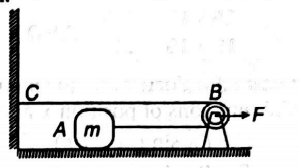
In the given figure the pulley is assumed massless and frictionless. If the friction force on the object of mass m is , then its acceleration in terms of the force will be equal to:
1
2
3
4
none of these
04
PYQ 2006
medium
physics ID: bcece-20
In the first second of its flight, rocket ejects 1/60 of its mass with a velocity of . The acceleration of the rocket is:
1
2
3
4
05
PYQ 2007
medium
physics ID: bcece-20
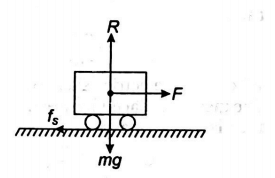
If the coefficient of static friction between the tyres and road is , what is the shortest distance in which an automobile can be stopped when travelling at ?
1
50 m
2
60 m
3
40.8 m
4
80.16 m
06
PYQ 2008
medium
physics ID: bcece-20
If two molecules of and having mass and and rate of diffusion of is then what will be the rate of diffusion of ?
1
2
3
4
About Laws Of Motion - BCECE
Laws Of Motion is a vital chapter for BCECE aspirants. Mastering the concepts covered in this chapter is essential for securing a top rank.
By rigorously practicing the previous year questions associated with this chapter, you can identify high-yield topics, understand the examiner's perspective, and boost your confidence during the actual exam.
Frequently Asked Questions
Why focus on Laws Of Motion PYQs?
Analyzing PYQs for this specific chapter reveals the most frequently tested concepts and the typical complexity of questions, allowing you to tailor your study plan efficiently.
How to best use this analysis?
Review the topic breakdown to see which sub-topics within Laws Of Motion carry the most weight. Then, tackle the questions iteratively to solidify your understanding.