Architectural Knowledge
159 previous year questions.
High-Yield Trend
Chapter Questions 159 MCQs


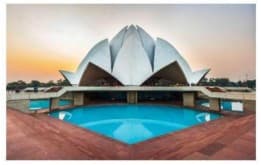
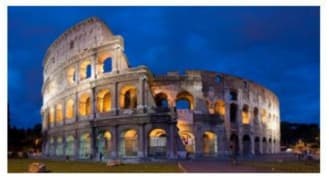







(Marks will be awarded if all answers are correct)
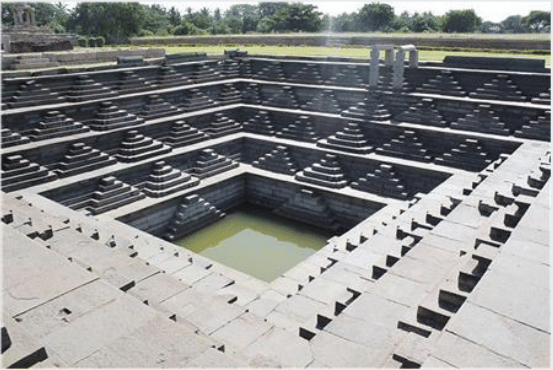
(Marks will be awarded if all answers are correct)
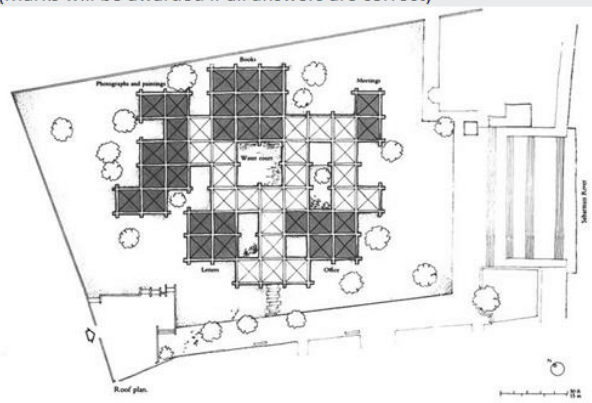
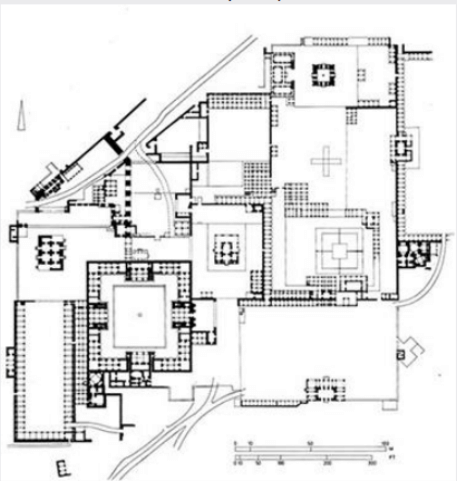
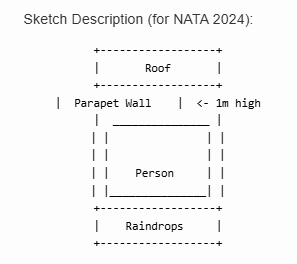
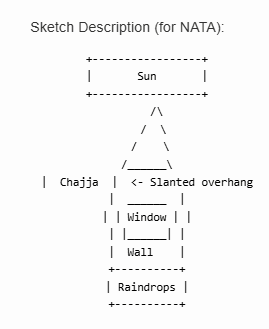
From the given plan form identify three most important built elements that define these enclosures
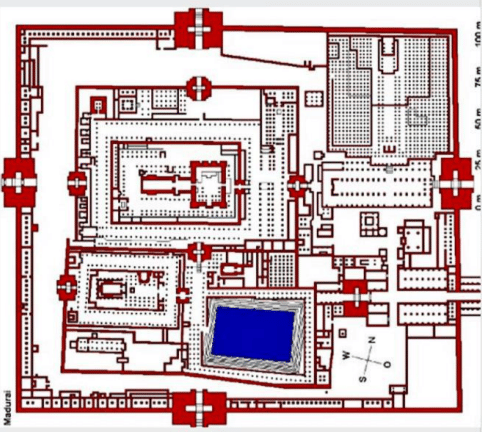
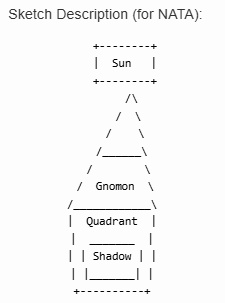
From the given plan sketch below identify the three most important spatial planning and visual principles adopted.
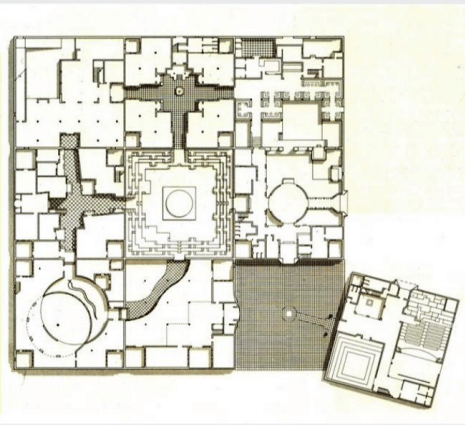

How far apart are the trains 1 hour before they pass each other ?




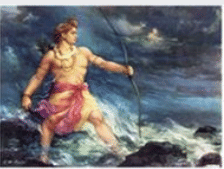
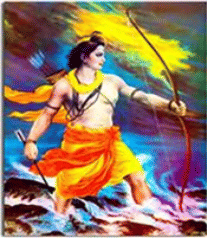
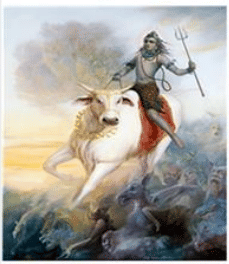
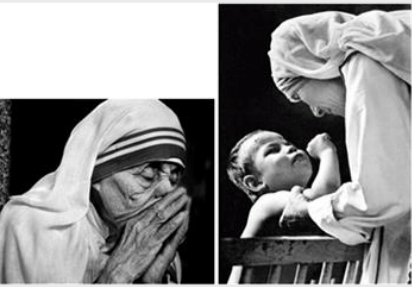

(Marks will be awarded if all answers are correct)

| Options: | |
| a. 1 | p. A |
| b. 2 | q. B |
| c. 3 | r. C |
| d. 4 | s. D |
| e. 5 | t. E |
Marks will be awarded only if all answers are correct.
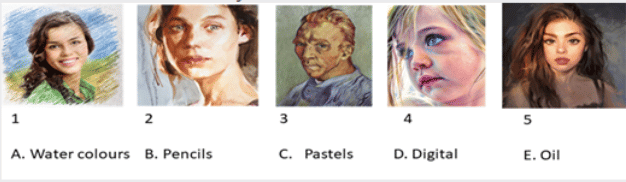
| Options: | |
| a. 1 | p. A |
| b. 2 | q. B |
| c. 3 | r. C |
| d. 4 | s. D |
| e. 5 | t. E |
Marks will be awarded only if all answers are correct.
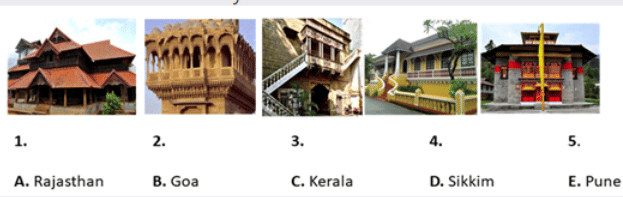
| Options: | |
| a. 1 | p. A |
| b. 2 | q. B |
| c. 3 | r. C |
| d. 4 | s. D |
| e. 5 | t. E |
The strength of the electronics industry in Japan is the Japanese ability to organize production and marketing rather than their achievement in original research. The British are generally recognized as a far more inventive collection of individuals, but never seem able to exploit what they invent.
There are many examples, from the TSR Z hovercraft, high speed train and Sinclair scooter to the Triumph, BSA and Norton Motorcycle which all prove this sad rule. The Japanese were able to exploit their strengths in marketing and development many years ago and their success was at first, either not understood in the West or was dismissed as something which could have been produced only at their low price. They were sold because they were cheap copies of other people's ideas, churned out of a workhouse which was dedicated to hard grind above all else.
Apart from the elaborate myths connecting it to Krishna, the tulsi plant has several medicinal properties. To protect and revere this plant with so many medicinal properties, it was designated as sacred, a fitting tribute to its role in providing invaluable healthcare. The worship of plants is an ancient phenomenon in India. It is probably the oldest form of worship. The association of a single tree with a sacred sthala or sthana is reflected in the chaityavriksha and sthalavriksha or literature and society.
When people turned to food production, the Mother Goddess or the Earth Mother became the chief deity. Fertility, creation, and the world of plants and animals became her blessings to her devotees. The worship of the tree was the adoration of her creative abilities, symbolising fertility so essential for the survival of the early people. Spirits-good or bad-were believed to reside in trees. If the trees were worshipped, then the resident spirits were pleased. As sacred forests were replaced by agriculture, a single tree was left and was designated as 'sacred'. The earliest temples were little more than images placed under trees. Later, the tree and the image were enclosed by a fence made of wood, followed even by stone. Numerous references are made in literature to trees as abodes of gods.
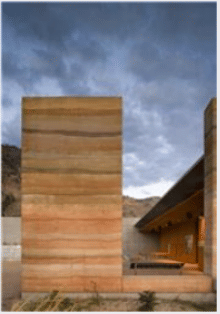


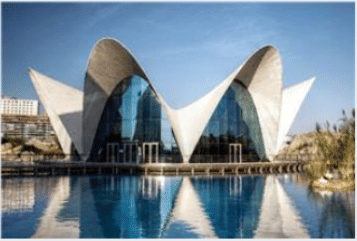





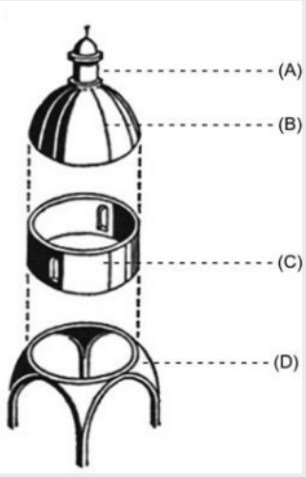

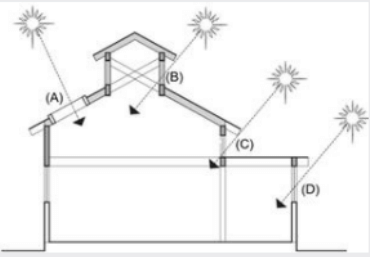
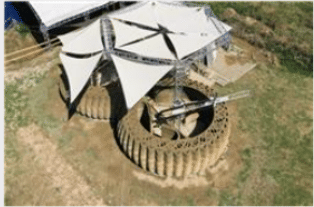

TEXT
Ans Key Marks D 1 About the year 1900, a small, dark-haired boy named Charles Chaplin was often seen waiting outside the back entrances of London theatres. He looked thin and hungry but his blue eyes were determined. He was hoping to get work in show business. He could sing and dance. His parents were music-hall performers and he had been born into the life of the theatre. And, although his own boyhood was painfully hard, he knew how to make people laugh.
His own father had died from drinking too much. And his mother was not really able to look after Charles and his older half-brother, Sid. She was often sick in mind and had to be sent into hospital.
TEXT
Many of us believe that 'small' means 'insignificant. We believe that small actions and choices do not have much impact on our lives. We think that it is only the big things, the big actions and the big decisions that really count. But when you look at the lives of all great people, you will see that they built their character through small decisions, small choices and small actions that they performed every day. They transformed their lives through step-by-step or day- by-day approach. They nurtured and nourished their good habits and chipped away their bad habits, one by one. It was their small day-to-day decisions that added up to make tremendous difference in the long run. Indeed, in matters of personal growth and character building, there is no such thing as an overnight success.
Growth always occurs through a sequential series of stages. There is an organic process to growth. When we look at children growing up, we can see this process at work: the child first learns to crawl, then to stand and walk and then finally to run. The same is true in the natural world. The soil must first be tilled and then the seed must be sown. Next, it must be nurtured with enough water and sunlight and only then will it grow into trees laden with ripe fruits.
Gandhi understood this organic process and used this universal law of nature to his benefit. Gandhi grew in small ways, in his day-to-day affairs. He did not wake up one day and find himself to be the 'Mahatma'. In fact, there was nothing much in his early life that showed signs of greatness. But from his mid-twenties onwards, he deliberately and consistently attempted to change himself, reform himself and grow in some small way every day. Day by day, hour by hour, he risked failure, experimented and learnt from mistakes. In small as well as large situations, he took up the responsibility rather than avoiding it.
People have always marvelled at the effortless way in which Gandhi could accomplish the most difficult tasks. He displayed a great deal of self-mastery and discipline which was amazing. These things did not come easily to him. Years of practice and disciplined training went into making his success possible. Very few saw his struggles, fears, doubts and anxieties, or his inner efforts to overcome them. They only saw the victory, but not the struggle.
This is a common factor in the lives of all great people: they exercise their freedoms and choices in small ways that make great impact on their lives and their environment. Each of their small decisions and actions, add up to have a profound impact in the long run. By understanding this principle, we can move forward, with confidence, in the direction of our dreams. Often when our 'ideal goal' looks too far from us, we become easily discouraged, disheartened and pessimistic. However, when we choose to grow in small ways, by taking small steps one at a time, our achievement becomes easy.
TEXT
Time is running out and the parents are worried. With just 10 days left for the schools to reopen after homework. Since the children have enjoyed through their vacations it is their parents who are surfing the internet, painting the charts, writing essays and preparing science models. Some busy parents who are well off but cannot spare time are compelled to send their wards to the "holiday homework special" classes.
Sumedha, who holds classes for completing the children's homework, says that she charges anything between Rs. 1000 and 5000per child depending on the class and volume of homework. Many schools give away prizes for the best homework or add the marks in internal assessment. This makes it almost imperative for parents to get the best quality. Majority of the parents complain that the level of the homework is so high that their children are clueless about how to do it. Also, many of them fret that the quantum of holiday homework is so much that children fail to complete it within the stipulated holidays. In spite of all the troubles all parents agree that holiday homework is essential for the children. Some of them opined that homework helps establish and strengthen bonds between them and their children as it brings them close to each other. Some others think that holiday homework keeps the children in touch with their studies when they are not going to school.
POEM
I wandered lonely as a cloud That floats on high o'er vales and hills, When all at once I saw a crowd, A host of golden daffodils; Fluttering and dancing in the breeze.
Continuous as the stars that shine And twinkle on the milky way, Along the margin of a bay: Tossing their heads in sprightly dance.
The waves beside them dances; but they Out-did the sparkling waves in glee: A poet could not but be gay, In such a jocund company I gazed- and gazed- but little thought What wealth the show to me had brought:
For oft, when on my couch I lie In vacant or in pensive mood, They flash upon that inward eye Which is the bliss of solitude; And then my heart with pleasure fills, And dances with the daffodils.
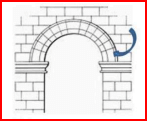


| 1 | Walls | P | Protecting |
| 2 | Opening | Q | Connecting |
| 3 | Parapet | R | Enclosing |
| 4 | Corridors | S | Ventilating |
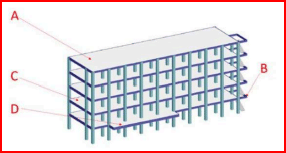
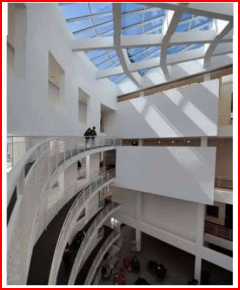
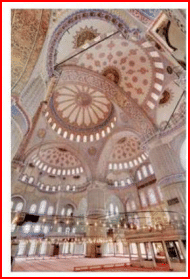
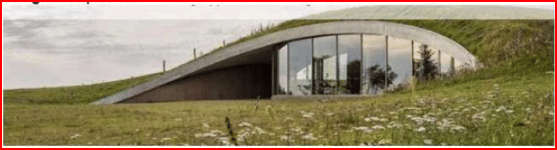
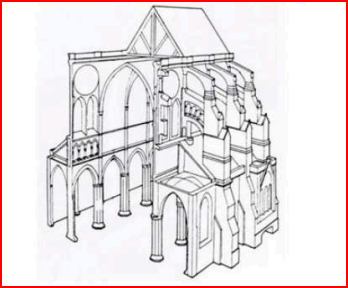
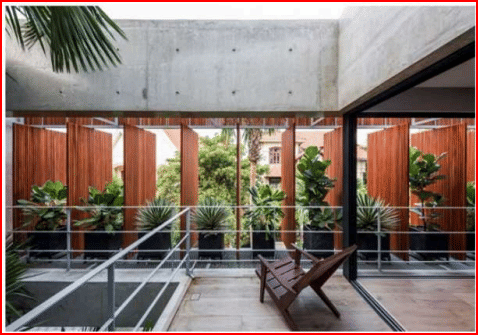
(Marks will be awarded only if all answers are right)

(Marks will be awarded only if all answers are right)
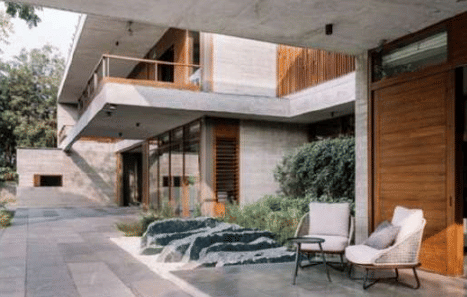
(Marks will be awarded only if all answers are right)

(Marks will be awarded only if all answers are right)
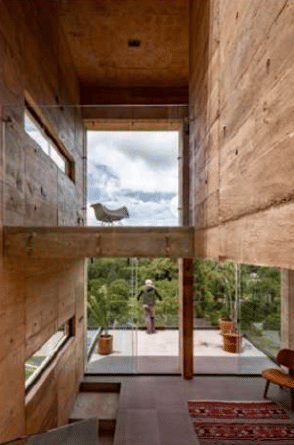
TEXT:
Holi celebrations start on the night before Holi with a Holika Dahan where people gather, perform religious rituals in front of the bonfire, and pray that their internal evil be destroyed the way Holika, the sister of the demon king Hiranyakashipu, was killed in the fire. The next morning is celebrated as Rangwali Holi - a free-for- all festival of colours, where people smear each other with colours and drench each other. Water guns and water-filled balloons are also used to play and colour each other. Anyone and everyone is fair game, friend or stranger, rich or poor, man or woman, children and elders. The frolic and fight with colours occurs in the open streets, open parks, outside temples and buildings. Groups carry drums and other musical instruments, go from place to place, sing and dance. People visit family, friends and foes to throw coloured powders on each other, laugh and gossip, then share Holi delicacies, food and drinks. Some customary drinks include bhang (made from cannabis), which is intoxicating. In the evening, after sobering up, people dress up and visit friends and family.
TEXT
Capitalism is an economic system in which private people, not the government, own and run companies. These companies compete with other companies for business. They decide what products they want to produce, how much they should cost and where to sell them. Companies do all these things in order to make profits for their owners. People who use their money to start companies or run companies are called capitalists. Even though a pure form of capitalism does not exist and governments control the economy in some ways it remains the world's most popular economic system. In the United States the government keeps itself out of the economy as far as possible but in some European countries economic control is much larger. Other names for capitalism are free-market economy or free enterprise.
(Provide answer strictly as follows: Example 1,2 or 1,13 Answers in any other format will be rejected)







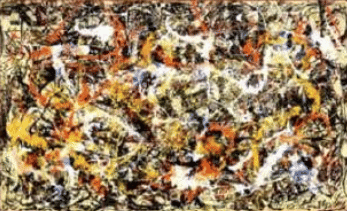



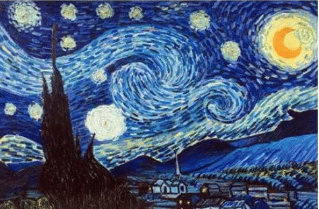
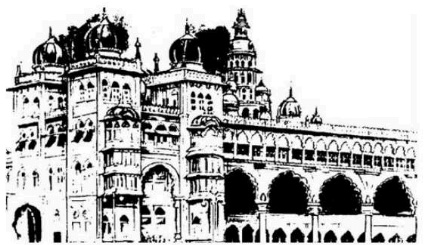
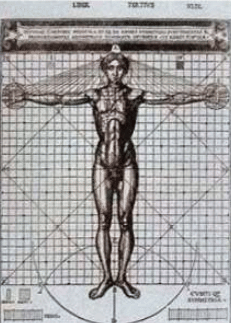
P-Restrict entry of only cows,
R Restrict entry of animals,
S- Acts as water drain,
T-Aesthetic purpose only


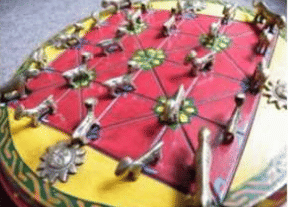


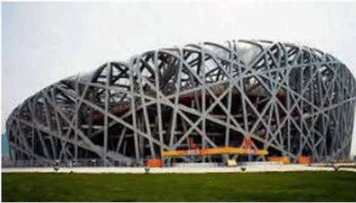
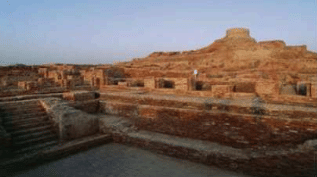




| 1 | Walls | P | Protecting |
| 2 | Beams | Q | Supporting |
| 3 | Parapet | R | Enclosing |
| 4 | Foundation | S | Transferring load |

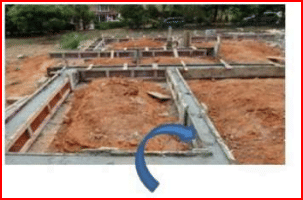



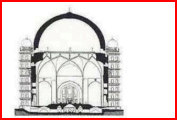

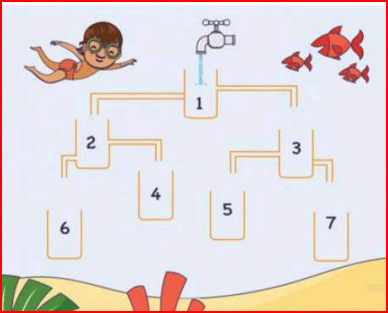


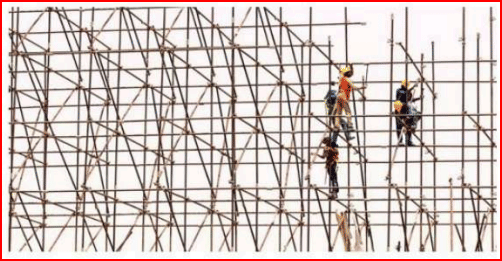
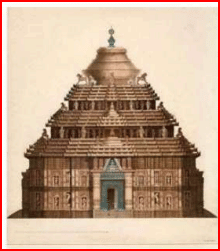




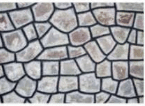


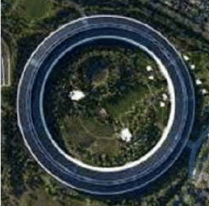







| P | Casting | 1 | Ivory |
| Q | Modelling | 2 | Scrap wood |
| R | Carving | 3 | Aluminum |
| S | Assemblage | 4 | Wax |





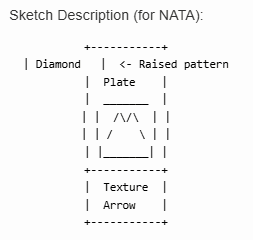

Mantri Mandir -- Where is it located?
Identify the location shown in the picture: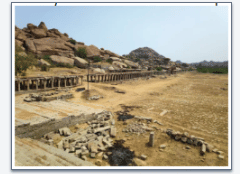
What material is commonly used for doors and windows?
What architectural structure balances the bridge weight? (Refer to the image of a truss bridge) 
What was the venue for the G-20 summit in India?
Identify the location. (Refer to the image of the Lingaraja temple) 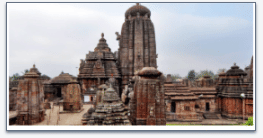
About Architectural Knowledge - NATA
Architectural Knowledge is a vital chapter for NATA aspirants. Mastering the concepts covered in this chapter is essential for securing a top rank.
By rigorously practicing the previous year questions associated with this chapter, you can identify high-yield topics, understand the examiner's perspective, and boost your confidence during the actual exam.
Frequently Asked Questions
Why focus on Architectural Knowledge PYQs?
Analyzing PYQs for this specific chapter reveals the most frequently tested concepts and the typical complexity of questions, allowing you to tailor your study plan efficiently.
How to best use this analysis?
Review the topic breakdown to see which sub-topics within Architectural Knowledge carry the most weight. Then, tackle the questions iteratively to solidify your understanding.