AFMC SERIES Physics
Current Electricity
5 previous year questions.
Volume: 5 Ques
Yield: Medium
High-Yield Trend
1
2011 1
2010 1
2009 1
2008 1
2004 Chapter Questions 5 MCQs
01
PYQ 2004
medium
physics ID: afmc-200
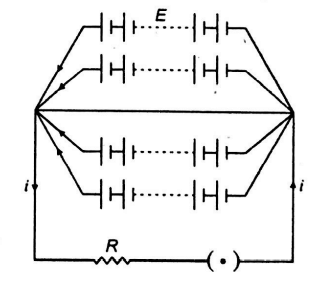
Current provided by a battery is maximum when:
1
internal resistance is equal to external resistance
2
internal resistance is greater than external resistance
3
internal resistance is less than external resistance
4
none of the above
02
PYQ 2008
medium
physics ID: afmc-200
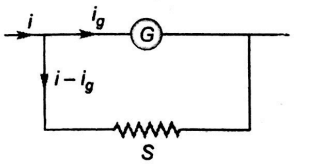
A galvanometer coil has a resistance of and gives full scale deflection for a current of . To convert it to an ammeter of range to
1
resistance is to be connected in parallel to the galvanometer
2
resistance is to be connected in series with the galvanometer
3
resistance is to be connected in parallel to the galvanometer
4
resistance is to be connected in series with the galvanometer
03
PYQ 2009
easy
physics ID: afmc-200
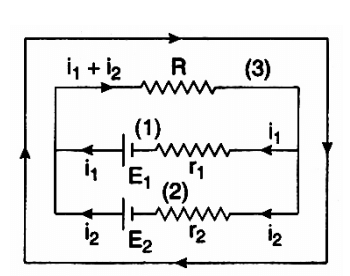
See the electrical circuit shown in this figure. Which of the following equations is a correct equation for it ?
1
2
3
4
04
PYQ 2010
medium
physics ID: afmc-201
Two cells of emf and are connected as shown in figure. When a potentiometer is connected between A and B, the balancing length of the potentiometer wire is 300cm . On connecting the same potentiometer between A and C, the balancing length is 100 cm. The ratio is
1
3:01
2
1:03
3
2:03
4
3:02
05
PYQ 2011
medium
physics ID: afmc-201
A resistor of with tolerance and another resistance of with tolerance are connected in series. The tolerance of the combination is about
1
5%
2
10%
3
12%
4
15%
About Current Electricity - AFMC
Current Electricity is a vital chapter for AFMC aspirants. Mastering the concepts covered in this chapter is essential for securing a top rank.
By rigorously practicing the previous year questions associated with this chapter, you can identify high-yield topics, understand the examiner's perspective, and boost your confidence during the actual exam.
Frequently Asked Questions
Why focus on Current Electricity PYQs?
Analyzing PYQs for this specific chapter reveals the most frequently tested concepts and the typical complexity of questions, allowing you to tailor your study plan efficiently.
How to best use this analysis?
Review the topic breakdown to see which sub-topics within Current Electricity carry the most weight. Then, tackle the questions iteratively to solidify your understanding.