Photogrammetry
5 previous year questions.
High-Yield Trend
Chapter Questions 5 MCQs
A square grid is laid on a flat terrain and is photographed from an aerial camera. The flying height and camera parameters are assumed to be constant. The camera and lens are assumed to be perfect (i.e. free from any distortions). The image of the grid obtained from the camera is shown below. Select the CORRECT statement from the statements given below. 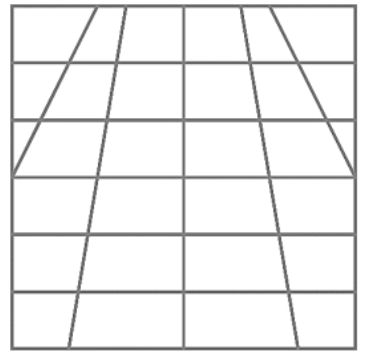
A pair of overlapping vertical photographs were taken from a flying height of above sea level with a camera having a focal length of . The distance between the consecutive exposure stations is . The parallax bar reading of a point A on the photograph is observed as . The parallax bar constant for this setup is given as . The elevation of point A above sea level is ___________ m (Rounded off to 2 decimal places).
About Photogrammetry - GATE-GE
Photogrammetry is a vital chapter for GATE-GE aspirants. Mastering the concepts covered in this chapter is essential for securing a top rank.
By rigorously practicing the previous year questions associated with this chapter, you can identify high-yield topics, understand the examiner's perspective, and boost your confidence during the actual exam.
Frequently Asked Questions
Why focus on Photogrammetry PYQs?
Analyzing PYQs for this specific chapter reveals the most frequently tested concepts and the typical complexity of questions, allowing you to tailor your study plan efficiently.
How to best use this analysis?
Review the topic breakdown to see which sub-topics within Photogrammetry carry the most weight. Then, tackle the questions iteratively to solidify your understanding.