IIT-JAM-CY SERIES
Chemistry

Biochemistry

7 previous year questions.

Volume: 7 Ques
Yield: Medium

High-Yield Trend

3
2025
1
2020
3
2018

Chapter Questions
7 MCQs

01
PYQ 2018
medium
chemistry ID: iit-jam-

Tetrapeptide(s) that gives(give) the following product on reaction with Sanger's reagent followed by hydrolysis is(are) 
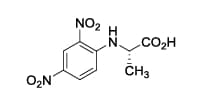
1
Ala-Gly-Leu-Phe
2
Asp-Phe-Leu-Pro
3
Asp-Gly-Tyr-Phe
4
Ala-Phe-Tyr-Pro
02
PYQ 2018
medium
chemistry ID: iit-jam-
The number of hydrogen bond(s) present in a guanine-cytosine base pair is .............
03
PYQ 2018
medium
chemistry ID: iit-jam-
Carbonic anhydrase is an example of
1
Hydrolase enzyme
2
Redox enzyme
3
O2 transport protein
4
Heme protein
04
PYQ 2020
medium
chemistry ID: iit-jam-
The nucleobase NOT found in DNA is
1
Thymine
2
Uracil
3
Guanine
4
Adenine
05
PYQ 2025
medium
chemistry ID: iit-jam-
The correct statement(s) among the following is(are)
1
In natural nucleic acids, the nucleosides are linked through phosphodiester bonds
2
Natural nucleic acids have sulfur-containing heterocyclic bases
3
The isoelectric point of arginine is higher than that of isoleucine
4
The molecular weight of guanine is higher than that of cytosine
06
PYQ 2025
medium
chemistry ID: iit-jam-
The type of carboxypeptidase metalloenzyme and the metal ion present in it, respectively, are
1
hydrolase and Zn(II)
2
isomerase and Zn(II)
3
hydrolase and Cu(II)
4
isomerase and Cu(II)
07
PYQ 2025
medium
chemistry ID: iit-jam-
The biomolecule that does NOT contain iron is
1
cytochromes
2
hemocyanin
3
hydrogenases
4
hemerythrin

About Biochemistry - IIT-JAM-CY

Biochemistry is a vital chapter for IIT-JAM-CY aspirants. Mastering the concepts covered in this chapter is essential for securing a top rank.

By rigorously practicing the previous year questions associated with this chapter, you can identify high-yield topics, understand the examiner's perspective, and boost your confidence during the actual exam.

Frequently Asked Questions

Why focus on Biochemistry PYQs?

Analyzing PYQs for this specific chapter reveals the most frequently tested concepts and the typical complexity of questions, allowing you to tailor your study plan efficiently.

How to best use this analysis?

Review the topic breakdown to see which sub-topics within Biochemistry carry the most weight. Then, tackle the questions iteratively to solidify your understanding.