WBJEE SERIES
Chemistry

Stoichiometry And Stoichiometric Calculations

8 previous year questions.

Volume: 8 Ques
Yield: Medium

High-Yield Trend

3
2025
1
2023
2
2022
2
2007

Chapter Questions
8 MCQs

01
PYQ 2007
medium
chemistry ID: wbjee-20
atoms of an element weigh . The atomic weight of that element is
1
290
2
180
3
34.4
4
10.4
02
PYQ 2007
medium
chemistry ID: wbjee-20
Which of the following has the smallest number of molecules?
1
mole of gas
2
of gas at
3
ot gas
4
of gas at
03
PYQ 2022
medium
chemistry ID: wbjee-20
Benzene burns in oxygen according to the above equation. What is the volume of oxygen (at STP) needed for complete combustion of grams of liquid benzene?
1
11.2 litre
2
22.4 litre
3
84 litre
4
168 litre
04
PYQ 2022
medium
chemistry ID: wbjee-20
A metal ( ) forms two oxides. The ratio (by weight) in the two oxides are and . The minimum value of atomic mass of is
1
50
2
100
3
150
4
200
05
PYQ 2023
medium
chemistry ID: wbjee-20
Arrange the following in order of increasing mass :
(i) 1 mole of N2, (ii) 0.5 mole of O3, (iii) molecules of O2, (iv) 0.5 gram atom of O2
1
iv
2
iv
3
iii
4
i
06
PYQ 2025
medium
chemistry ID: wbjee-20
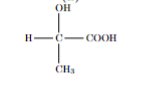
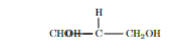
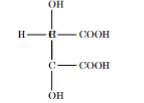
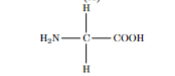
The compound(s) showing optical activity is/are
1

2

3

4

07
PYQ 2025
medium
chemistry ID: wbjee-20
How many oxygen atoms are present in 0.36 g of a drop of water at STP?
1
2
3
4

08
PYQ 2025
medium
chemistry ID: wbjee-20
An LPG (Liquified Petroleum Gas) cylinder weighs 15.0 kg when empty. When full, it weighs 30.0 kg and shows a pressure of 3.0 atm. In the course of usage at 27°C, the mass of the full cylinder is reduced to 24.2 kg. The volume of the used gas in cubic metre at the normal usage condition (1 atm and 27°C) is (assume LPG to be normal butane and it behaves ideally):
1
24.6 m\textsuperscript{3
2
246 m\textsuperscript{3
3
0.246 m\textsuperscript{3
4
2.46 m\textsuperscript{3

About Stoichiometry And Stoichiometric Calculations - WBJEE

Stoichiometry And Stoichiometric Calculations is a vital chapter for WBJEE aspirants. Mastering the concepts covered in this chapter is essential for securing a top rank.

By rigorously practicing the previous year questions associated with this chapter, you can identify high-yield topics, understand the examiner's perspective, and boost your confidence during the actual exam.

Frequently Asked Questions

Why focus on Stoichiometry And Stoichiometric Calculations PYQs?

Analyzing PYQs for this specific chapter reveals the most frequently tested concepts and the typical complexity of questions, allowing you to tailor your study plan efficiently.

How to best use this analysis?

Review the topic breakdown to see which sub-topics within Stoichiometry And Stoichiometric Calculations carry the most weight. Then, tackle the questions iteratively to solidify your understanding.