Sense Organs
11 previous year questions.
High-Yield Trend
Chapter Questions 11 MCQs
Rajat Singh was working as a supervisor in a stone quarry where rock, sand and gravel are extracted by techniques like digging, drilling, and blasting. As the years rolled by, Rajat started facing a loss in hearing. The high decibel sounds had damaged a part of his internal ear, though the tympanic membrane was intact.
(a) Give the collective term for the structure located in the internal ear.
(b) Name the sensory organ in the Cochlea which was damaged for Rajat Singh.
(c) What kind of pollution do the workers face in the stone quarry?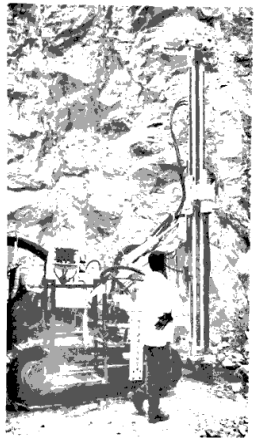
Tara's grandmother is 70 years old and has a passion for embroidery. She faces difficulty in threading the needle as the eye of the needle appears blurred. The ophthalmologist diagnosed it as an age-related disorder.
(a) Name the eye disorder she is suffering from.
(b) How can the above defect be corrected?
(c) Where is the image formed in the above disorder? 
Karan was standing on a high stool and cleaning the ceiling fan.
He suddenly loses balance and sustains a head injury. An examination reveals that his pupils have lost the capacity to constrict in bright light. Which structure has been damaged?
Bharat woke up late in the morning and missed the school bus.
This situation stimulated the nerves of the sympathetic system which resulted in: 
Copy the diagram given below.
(a) Name the structure.
(b) Label Gray matter and White matter.
(b) Spinal Cord
About Sense Organs - ICSE-CLASS-X-BOARD
Sense Organs is a vital chapter for ICSE-CLASS-X-BOARD aspirants. Mastering the concepts covered in this chapter is essential for securing a top rank.
By rigorously practicing the previous year questions associated with this chapter, you can identify high-yield topics, understand the examiner's perspective, and boost your confidence during the actual exam.
Frequently Asked Questions
Why focus on Sense Organs PYQs?
Analyzing PYQs for this specific chapter reveals the most frequently tested concepts and the typical complexity of questions, allowing you to tailor your study plan efficiently.
How to best use this analysis?
Review the topic breakdown to see which sub-topics within Sense Organs carry the most weight. Then, tackle the questions iteratively to solidify your understanding.