Spherical Lenses
4 previous year questions.
High-Yield Trend
Chapter Questions 4 MCQs
The given lens is broken into four parts and rearranged as shown. If the initial focal length is , then after rearrangement the equivalent focal length is â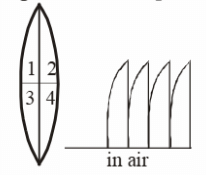
Two plano-convex lenses (1 and 2) of glass of refractive index 1.5 have radii of curvature 25cm and 20cm. They are placed in contact with their curved surfaces towards each other and the space between them is filled with liquid of refractive index 4/3. The combination is: 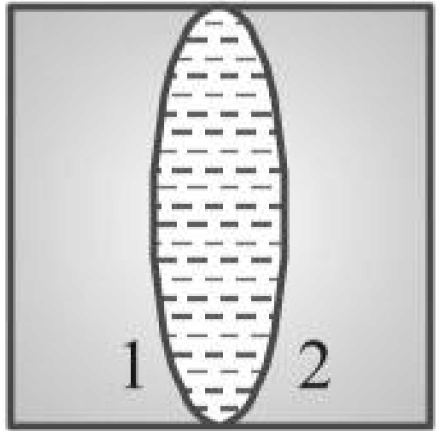
About Spherical Lenses - BITSAT
Spherical Lenses is a vital chapter for BITSAT aspirants. Mastering the concepts covered in this chapter is essential for securing a top rank.
By rigorously practicing the previous year questions associated with this chapter, you can identify high-yield topics, understand the examiner's perspective, and boost your confidence during the actual exam.
Frequently Asked Questions
Why focus on Spherical Lenses PYQs?
Analyzing PYQs for this specific chapter reveals the most frequently tested concepts and the typical complexity of questions, allowing you to tailor your study plan efficiently.
How to best use this analysis?
Review the topic breakdown to see which sub-topics within Spherical Lenses carry the most weight. Then, tackle the questions iteratively to solidify your understanding.