Aldehydes Ketones And Carboxylic Acids
16 previous year questions.
High-Yield Trend
Chapter Questions 16 MCQs
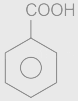
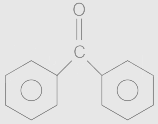
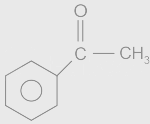
List I (Nomenclature) List II (Structure)
1. Acetophenone
2. Benzaldehyde
3. Benzonic acid
4. Benzophenone

A-III, B-I, C-II, D-IV
A-II, B-I, C-IV, D-III
A-I, B-II, C-III, D-IV
A-IV, B-III, C-II, D-I
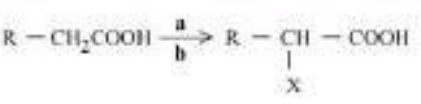
X - Cl, Br
A. X2
B. X2 / Red Phosphorus
C. H2O
D. SoCl2
E. X2 / Yellow Phosphorus
Choose the correct answer from the options given below :
| List I | List II | ||
| A. | Rosenmund reduction | I. | CrO2Cl2CS2,H3O+ |
| B. | Etard Reaction | II. | CO, HCl Anhyd. AlCl3/CuCl |
| C. | Gamenman-Koch reaction | III. | H2-Pd-BaSO4 |
| D. | Clemmensen reduction | IV. | Zn-Hg/HCl |
Methyl nitrile is hydrolysed to carboxylic acid in the presence of or as catalyst. An intermediate compound [A] is formed during this reaction.
(A) CH3CH2CH2CH2
(B) CH3CH2CH(Br)CH3
(C) (CH3)3
(D) (CH3)2CHCH2
Aldehydes are generally more reactive than ketones in nucleophilic addition reactions due to steric and electronic reasons. Sterically, the presence of two large groups in ketones hinders the attack of nucleophile to carbonyl carbon than in aldehydes. Electronically, aldehydes are more reactive than ketones because two alkyl groups reduce the electrophilicity of the carbonyl carbon more effectively than in the former
The increasing order of acidity of the following compounds based on pKa values:
(A) BrCH COOH
(B) ClCH COOH
(C) FCH COOH
(D) HCOOH
About Aldehydes Ketones And Carboxylic Acids - CUET-UG
Aldehydes Ketones And Carboxylic Acids is a vital chapter for CUET-UG aspirants. Mastering the concepts covered in this chapter is essential for securing a top rank.
By rigorously practicing the previous year questions associated with this chapter, you can identify high-yield topics, understand the examiner's perspective, and boost your confidence during the actual exam.
Frequently Asked Questions
Why focus on Aldehydes Ketones And Carboxylic Acids PYQs?
Analyzing PYQs for this specific chapter reveals the most frequently tested concepts and the typical complexity of questions, allowing you to tailor your study plan efficiently.
How to best use this analysis?
Review the topic breakdown to see which sub-topics within Aldehydes Ketones And Carboxylic Acids carry the most weight. Then, tackle the questions iteratively to solidify your understanding.