Solid State Physics Devices Electronics
25 previous year questions.
High-Yield Trend
Chapter Questions 25 MCQs
For a metal, electron density is . The Fermi energy is ................. eV. (Specify answer up to one digit after the decimal point.)
The figure shows a circuit containing two diodes and with threshold voltages of 0.7 V and 0.3 V, respectively. Considering the simplified diode model, which assumes diode I–V characteristics as shown in the plot on the right, the current through the resistor is ......... µA. 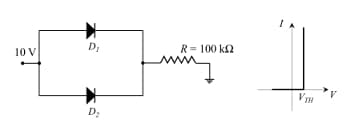
In the transistor circuit given in the figure, the emitter-base junction has a voltage drop of 0.7 V. A collector-emitter voltage of 14 V reverse biases the collector. Assuming the collector current to be the same as the emitter current, the value of is ........... k . 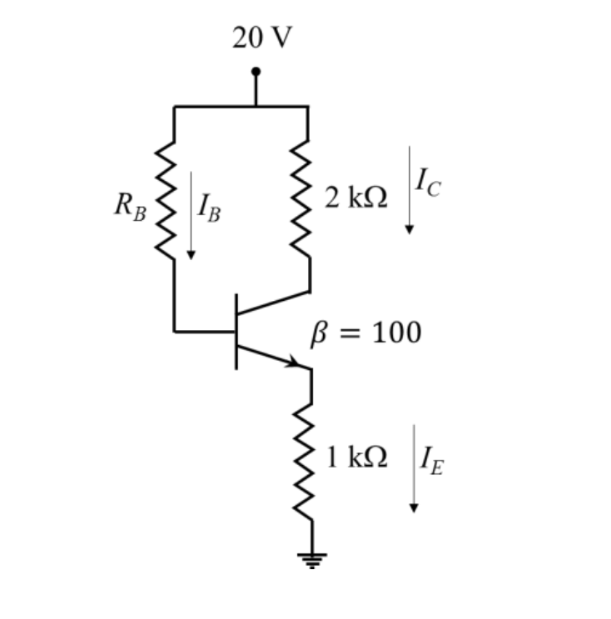
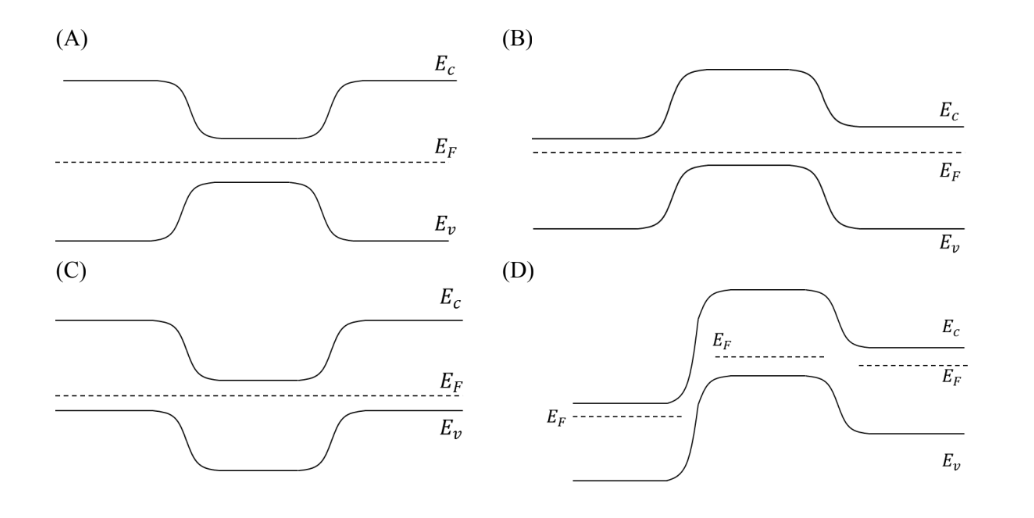
For an unbiased Silicon transistor in thermal equilibrium, which one of the following electronic energy band diagrams is correct? ( = conduction band minimum, = valence band maximum, = Fermi level.)
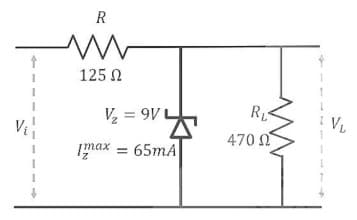
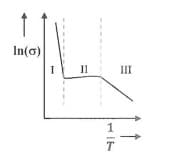
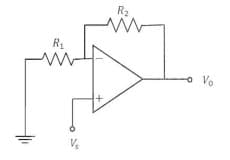
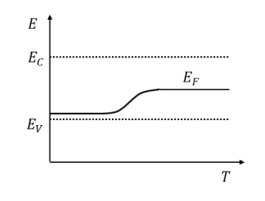
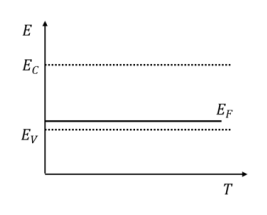
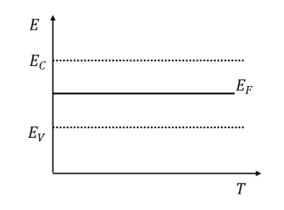
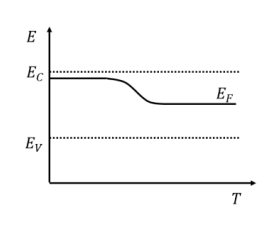
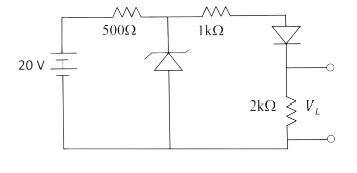
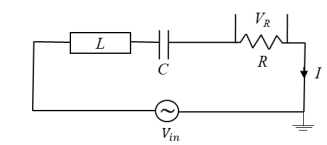
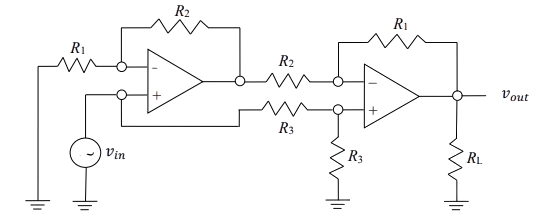
Choose the correct statement(s):
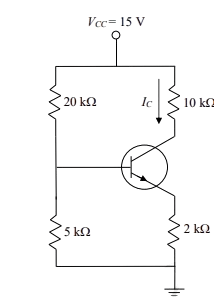
The current IC will be mA. (Rounded off to two decimal places)
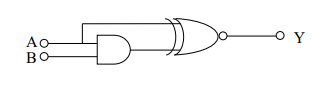
The output Y is LOW when:
About Solid State Physics Devices Electronics - IIT-JAM-PH
Solid State Physics Devices Electronics is a vital chapter for IIT-JAM-PH aspirants. Mastering the concepts covered in this chapter is essential for securing a top rank.
By rigorously practicing the previous year questions associated with this chapter, you can identify high-yield topics, understand the examiner's perspective, and boost your confidence during the actual exam.
Frequently Asked Questions
Why focus on Solid State Physics Devices Electronics PYQs?
Analyzing PYQs for this specific chapter reveals the most frequently tested concepts and the typical complexity of questions, allowing you to tailor your study plan efficiently.
How to best use this analysis?
Review the topic breakdown to see which sub-topics within Solid State Physics Devices Electronics carry the most weight. Then, tackle the questions iteratively to solidify your understanding.