Molecular Mass Of Polymers
13 previous year questions.
High-Yield Trend
Chapter Questions 13 MCQs
At STP g of a metal hydrogen carbonate (MHCO ) (molar mass ) on heating gives CO , which can completely react with of MOH (molar mass ) to give MHCO . The value of is:
(Given: C = 12u, N = 14u, O = 16u, H = 1u)
At , the rms velocity of methane is . What is the kinetic energy (in J) of 8 g of methane at the same temperature
(Assume methane as an ideal gas)
What is the kinetic energy (in ) of one mole of an ideal gas (molar mass = ) if its rms velocity is ?
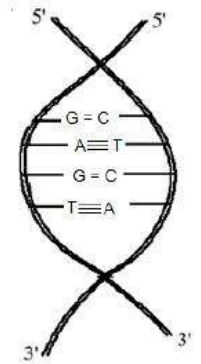
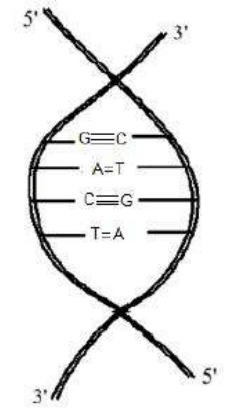
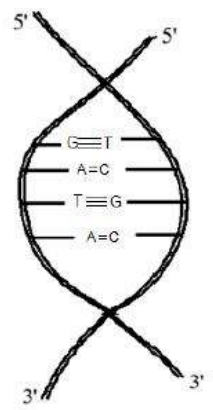
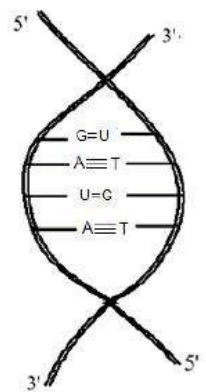
Which of the following represents double stranded helix structure of DNA?
Amino acids are represented by the following general structure:
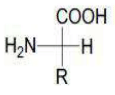
Find out the pair in which amino acid is correctly matched with its group R:
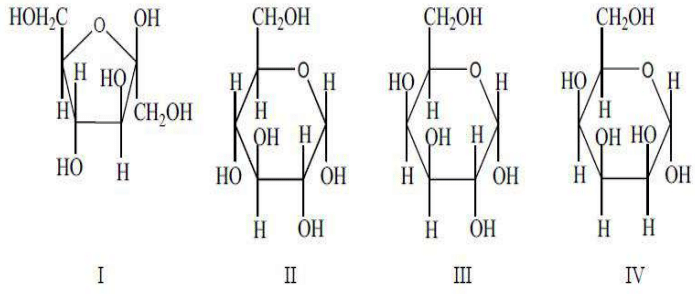
Sucrose is a disaccharide of which of the following?
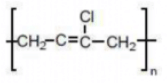
In which of the following the polymer is correctly matched with the catalyst used for its preparation?
I. Teflon - Persulphate
II. Low density polythene - Triethyl aluminium and titanium tetrachloride
III. Terylene - Zinc acetate/antimony trioxide
About Molecular Mass Of Polymers - AP-EAMCET
Molecular Mass Of Polymers is a vital chapter for AP-EAMCET aspirants. Mastering the concepts covered in this chapter is essential for securing a top rank.
By rigorously practicing the previous year questions associated with this chapter, you can identify high-yield topics, understand the examiner's perspective, and boost your confidence during the actual exam.
Frequently Asked Questions
Why focus on Molecular Mass Of Polymers PYQs?
Analyzing PYQs for this specific chapter reveals the most frequently tested concepts and the typical complexity of questions, allowing you to tailor your study plan efficiently.
How to best use this analysis?
Review the topic breakdown to see which sub-topics within Molecular Mass Of Polymers carry the most weight. Then, tackle the questions iteratively to solidify your understanding.