Plant Kingdom
12 previous year questions.
High-Yield Trend
Chapter Questions 12 MCQs
Identify the group of plants belong to the same family based on the floral formula given below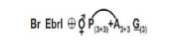
a. Inability of seed germination due to immature embryo is called Quiescence.
b. Seed coats of Fabaceae do not absorb and .
c. Germination of tomato seeds is inhibited by chemical compounds.
d. Seeds of polygonum require exposure to low temperature.
Match the following:
| List I | List II |
|---|---|
| I) Well developed large pith | D) Monocot root |
| II) Casparian strips | A) Endodermis |
| III) Sclerenchymatous bundle sheath | C) Dicot stem |
| IV) Endarch protoxylem | B) Monocot stem |
These features are not characteristics of dicotyledonous root:
- A. Radial vascular bundles.
- B. Pith little or absent.
- C. Vascular bundles 15 – 20.
- D. Cambium ring do not develop.
- I. Clostridium - Botulism
- II. Diplococcus - Pneumonia
- III. Treponema - Gonorrhoea
- IV. Neisseria - Tetanus
| S.No. | List - I | List - II | List - III |
|---|---|---|---|
| I | Algae | Phaeophyceae | Sargassum |
| II | Bryophyta | Hepaticopsida | Marchantia |
| III | Pteridophyta | Pteropsida | Equisetum |
| IV | Gymnosperms | Gnetopsida | Pinus |
About Plant Kingdom - AP-EAPCET
Plant Kingdom is a vital chapter for AP-EAPCET aspirants. Mastering the concepts covered in this chapter is essential for securing a top rank.
By rigorously practicing the previous year questions associated with this chapter, you can identify high-yield topics, understand the examiner's perspective, and boost your confidence during the actual exam.
Frequently Asked Questions
Why focus on Plant Kingdom PYQs?
Analyzing PYQs for this specific chapter reveals the most frequently tested concepts and the typical complexity of questions, allowing you to tailor your study plan efficiently.
How to best use this analysis?
Review the topic breakdown to see which sub-topics within Plant Kingdom carry the most weight. Then, tackle the questions iteratively to solidify your understanding.