JKCET SERIES Chemistry
Phenols
7 previous year questions.
Volume: 7 Ques
Yield: Medium
High-Yield Trend
1
2014 1
2011 2
2010 1
2008 2
2005 Chapter Questions 7 MCQs
01
PYQ 2005
easy
chemistry ID: jkcet-20
Glycerol is an alcohol which can be classified as
1
trihydric
2
monohydric
3
dihydric
4
hexahydric
02
PYQ 2005
medium
chemistry ID: jkcet-20
Reaction of phenol with chloroform/sodium hydroxide to give hydroxy benzaldehyde involves the formation of
1
dichloro carbine
2
trichloro carbene
3
chlorine atoms
4
chlorine molecules
03
PYQ 2008
medium
chemistry ID: jkcet-20
Dehydration of alcohol is an example of which type of reaction?
1
Substitution
2
Elimination
3
Addition
4
Rearrangement
04
PYQ 2010
medium
chemistry ID: jkcet-20
Formation of methyl tertiary butyl ether by the reaction of sodium tertiary butoxide and methyl bromide involves
1
elimination reaction
2
electrophilic addition reaction
3
nucleophilic substitution unimolecular reaction
4
nucleophilic substitution bimolecular reaction
05
PYQ 2010
medium
chemistry ID: jkcet-20
Ethyl alcohol cannot be used as a solvent for methyl magnesium iodide because
1
methyl magnesium iodide reacts with alcohol giving methane
2
the reaction between them is explosive in nature
3
methyl magnesium iodide is converted to ethyl magnesium iodide
4
alcohol is immiscible with methyl magnesium iodide
06
PYQ 2011
medium
chemistry ID: jkcet-20
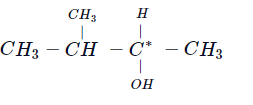
Which of the following compound is chiral?
1
-pentanol
2
-pentanol
3
-methyl- -butanol
4
-methyl- -butanol
07
PYQ 2014
medium
chemistry ID: jkcet-20
Wood spirit is known as
1
Ethanol
2
Methanol
3
Propanol
4
None of these
About Phenols - JKCET
Phenols is a vital chapter for JKCET aspirants. Mastering the concepts covered in this chapter is essential for securing a top rank.
By rigorously practicing the previous year questions associated with this chapter, you can identify high-yield topics, understand the examiner's perspective, and boost your confidence during the actual exam.
Frequently Asked Questions
Why focus on Phenols PYQs?
Analyzing PYQs for this specific chapter reveals the most frequently tested concepts and the typical complexity of questions, allowing you to tailor your study plan efficiently.
How to best use this analysis?
Review the topic breakdown to see which sub-topics within Phenols carry the most weight. Then, tackle the questions iteratively to solidify your understanding.