Haloalkanes And Haloarenes
64 previous year questions.
High-Yield Trend
Chapter Questions 64 MCQs
Which would undergo SN2 reaction at a faster rate and why?
Given compounds:
Compound A: CH3–CH2–Br
Compound B:
| CH3 |
| | |
| CH3–C–Br |
| | |
| CH3 |
Arrange the following in increasing order of their boiling points:
1-chloropropane, 2-chloropropane, 1-chlorobutane
(A) 2-chloropropane 1-chloropropane 1-chlorobutane
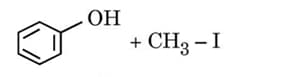
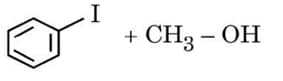
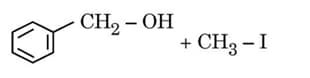
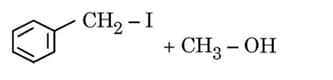
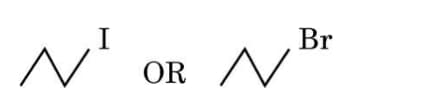


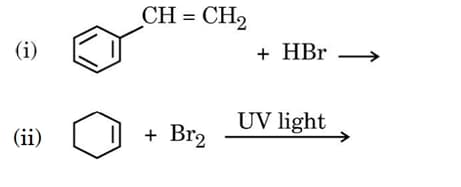
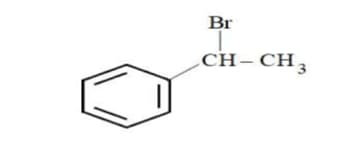
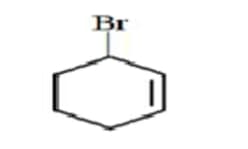
CH –CH –I and CH –CH –Br
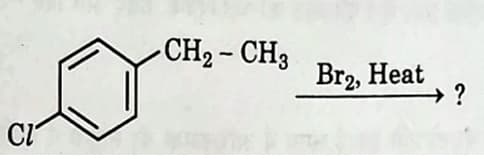
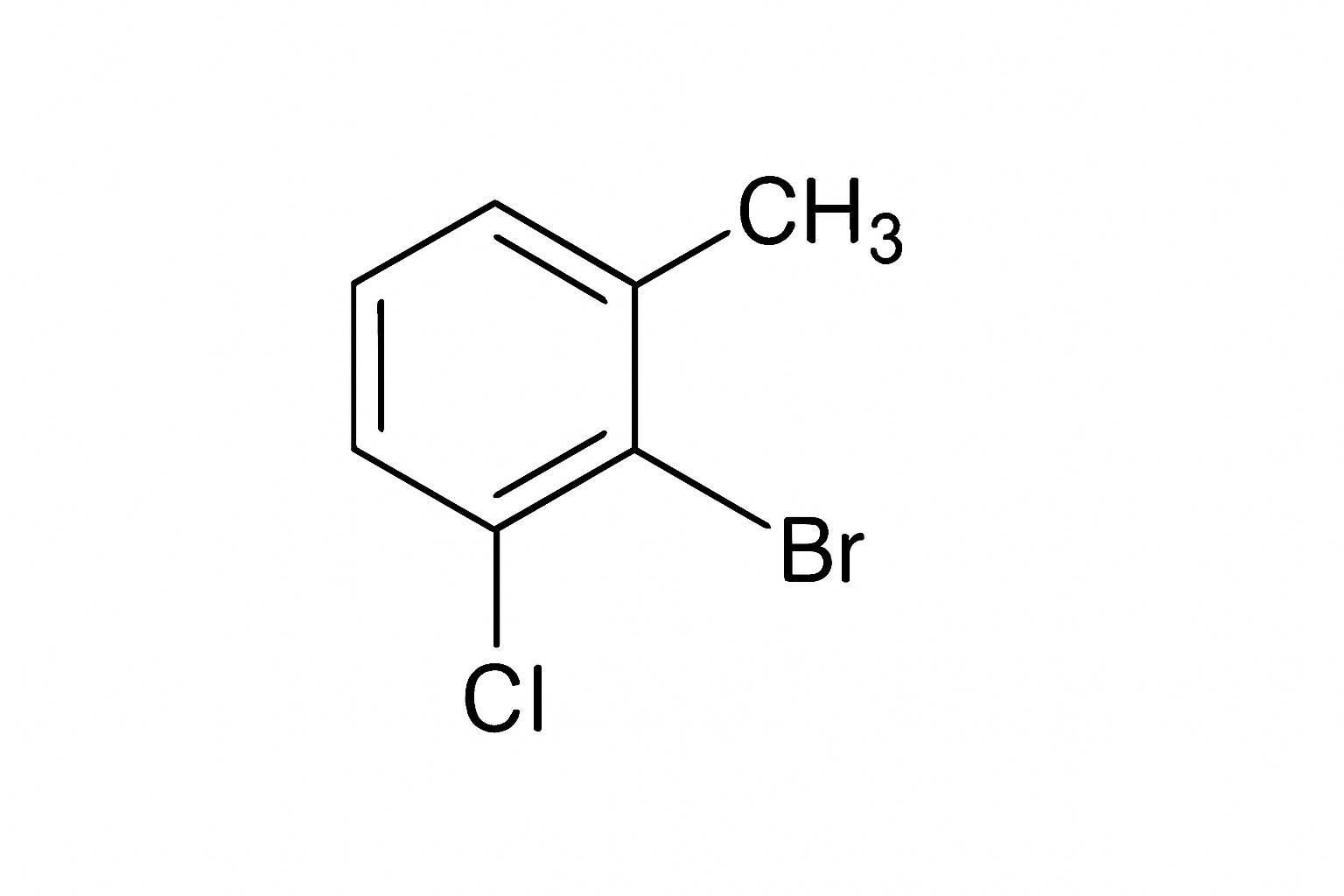
Reason (R): C—Cl bond is more polar than C—Br bond.
Reason (R): The boiling points of alkyl chlorides, bromides and iodides are considerably higher than that of the hydrocarbon of comparable molecular mass.
(ii) Isocyanides are formed when alkyl halides are treated with silver cyanide.
(iii) Methyl chloride reacts faster with OH ion in reaction than t-butyl chloride.
A compound (A) with molecular formula which is a primary alkyl halide, reacts with alcoholic KOH to give compound (B). Compound (B) reacts with HI to give (C) which is an isomer of (A). When (A) reacts with Na metal in the presence of dry ether, it gives a compound (D), C8H18, which is different from the compound formed when n-butyl iodide reacts with sodium. Write the structures of A, (B), (C) and (D) when (A) reacts with alcoholic KOH.
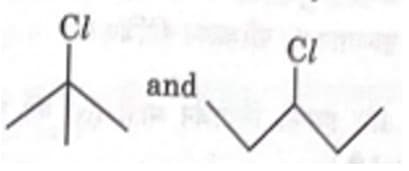
In the following pair of halogen compounds, which compound undergoes SN1 reaction faster and why? 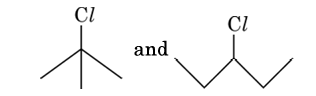
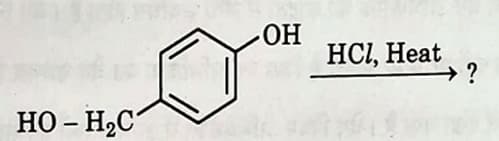
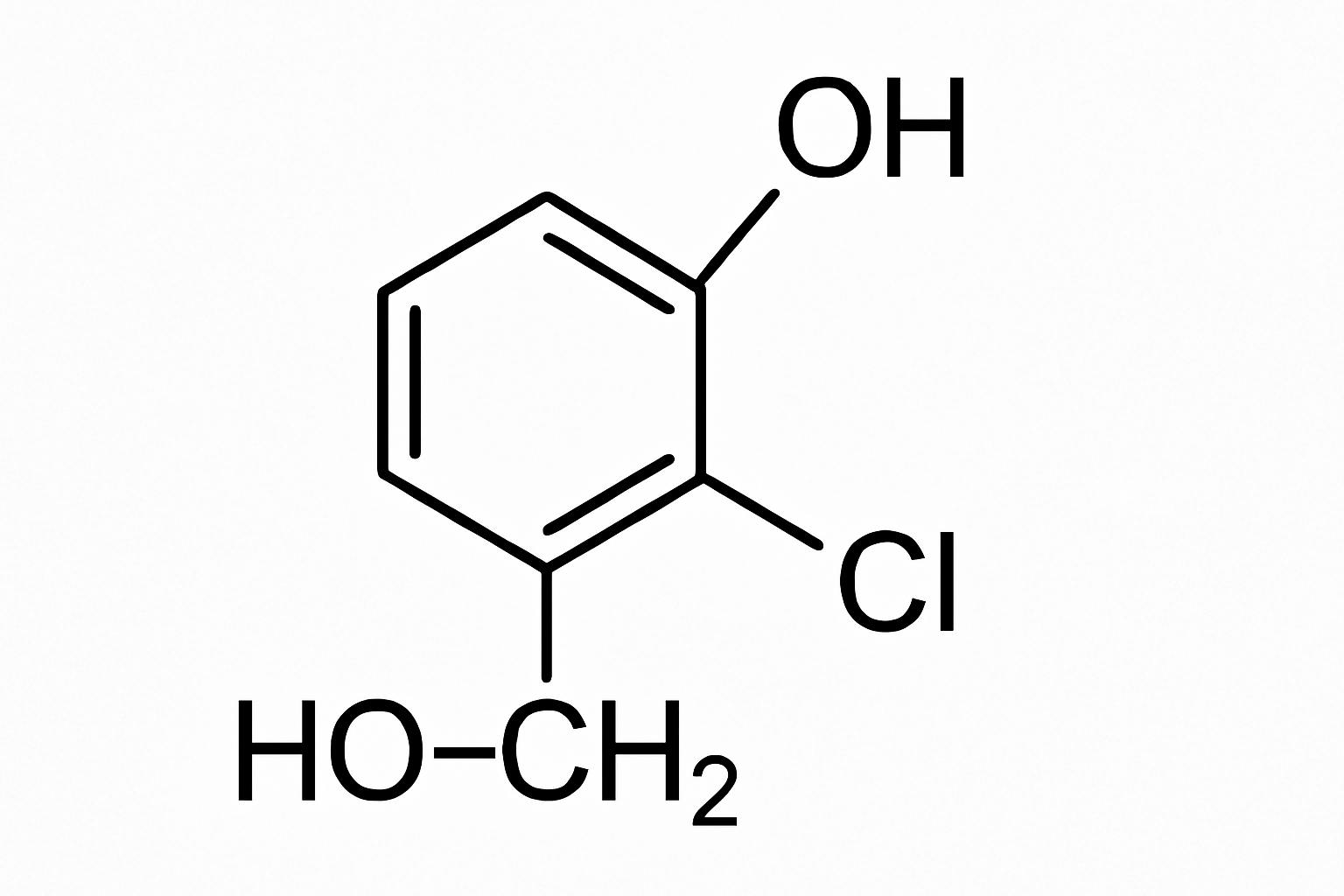
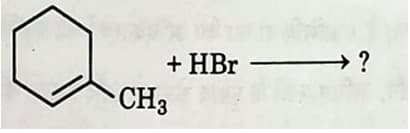
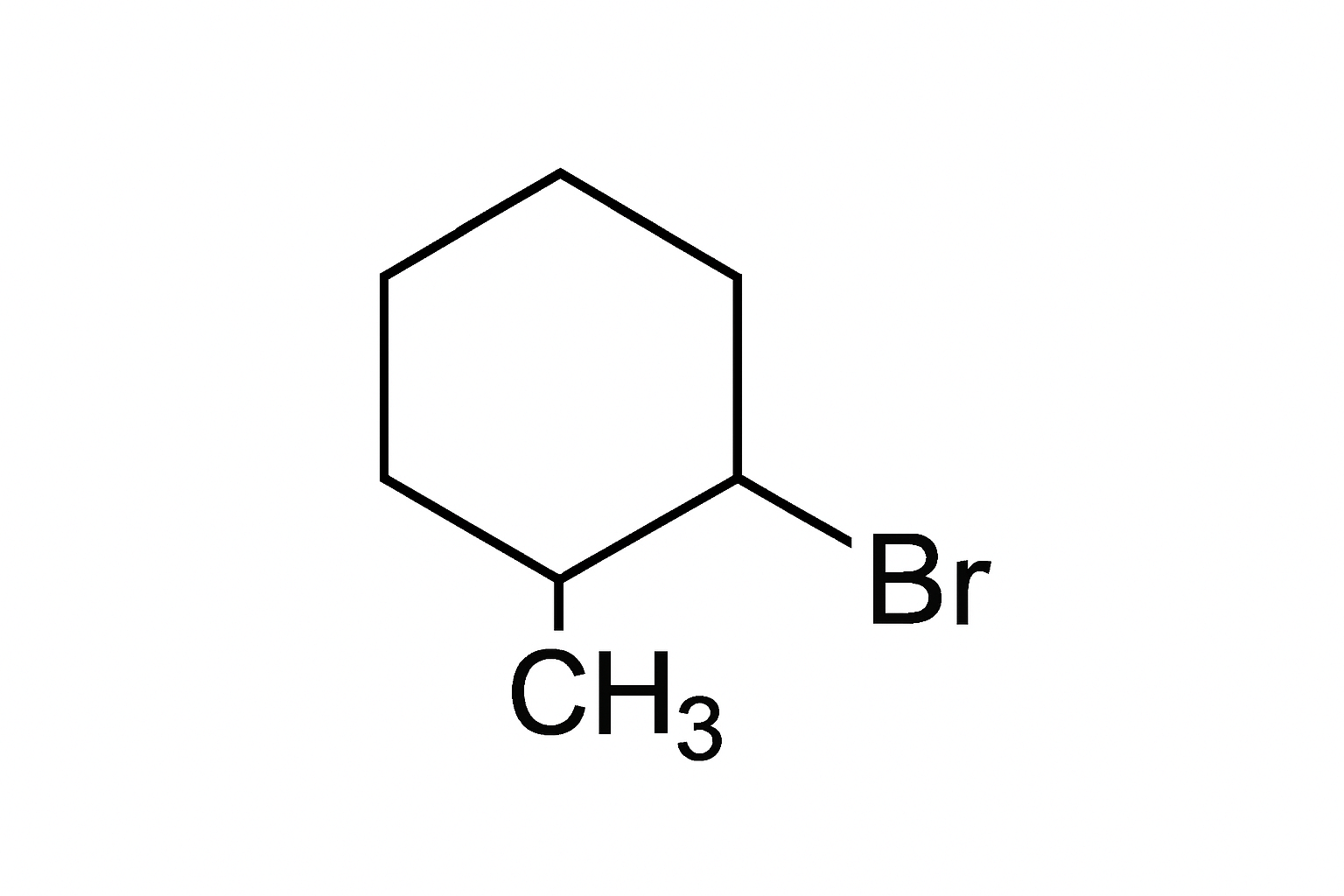
2-Bromobutane to but-2-ene
Propene to 1-Iodopropane
22(a). Write down the structural formula of both ‘X’ and ‘Y’.
Define the following terms:
Ambident nucleophiles

About Haloalkanes And Haloarenes - CBSE-CLASS-XII
Haloalkanes And Haloarenes is a vital chapter for CBSE-CLASS-XII aspirants. Mastering the concepts covered in this chapter is essential for securing a top rank.
By rigorously practicing the previous year questions associated with this chapter, you can identify high-yield topics, understand the examiner's perspective, and boost your confidence during the actual exam.
Frequently Asked Questions
Why focus on Haloalkanes And Haloarenes PYQs?
Analyzing PYQs for this specific chapter reveals the most frequently tested concepts and the typical complexity of questions, allowing you to tailor your study plan efficiently.
How to best use this analysis?
Review the topic breakdown to see which sub-topics within Haloalkanes And Haloarenes carry the most weight. Then, tackle the questions iteratively to solidify your understanding.