Hydrocarbons
27 previous year questions.
High-Yield Trend
Chapter Questions 27 MCQs
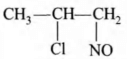
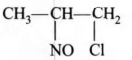
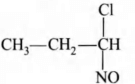
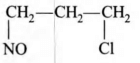
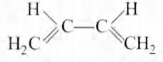
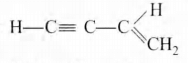
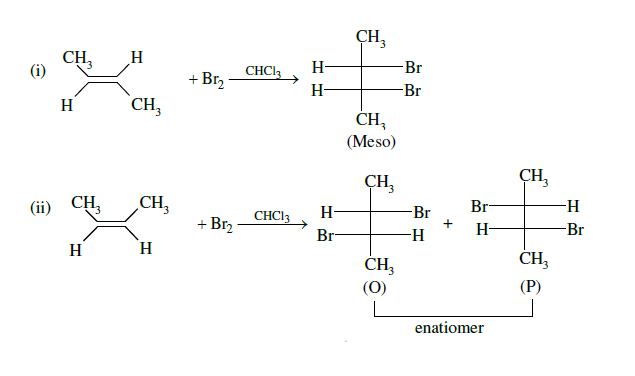
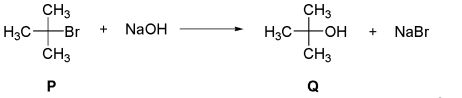
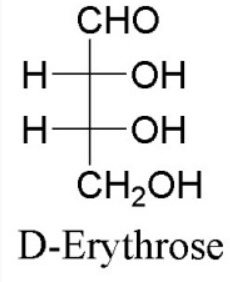
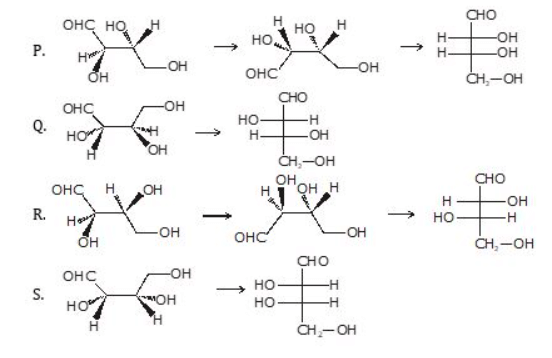
D-Erythrose and its isomers are listed as P, Q, R, and S in Column-I. Choose the correct relationship of P, Q, R, and S with D-erythrose from Column II.
| Column-I | Column-II | ||
|---|---|---|---|
| P | 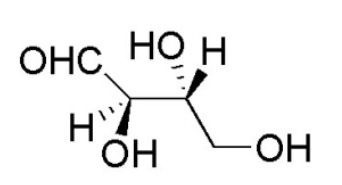 | i | Diastereomer |
| Q | 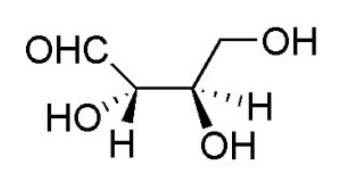 | ii | Identical |
| R | 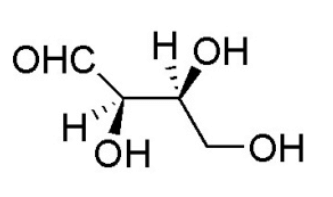 | iii | Enantiomer |
| S | 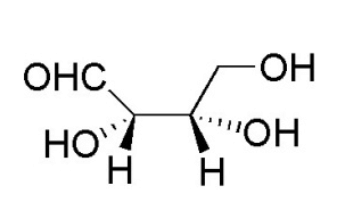 | ||
P→2, Q→3, R→2, S→2
P→3, Q→1, R→1, S→2
P→2, Q→1, R→1, S→3
P→2, Q→3, R→3, S→1
The reaction of x g of Sn with HCl quantitatively produced a salt. The entire amount of the salt reacted with y g of nitrobenzene in the presence of the required amount of HCl to produce 1.29 g of an organic salt (quantitatively).
(Use Molar masses (in g mol–1) of H, C, N, O, Cl and Sn as 1, 12, 14, 16, 35 and 119, respectively).
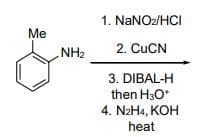
LIST-I | LIST-II | ||
|---|---|---|---|
| I | Aniline | P | Sodium fusion extract of the compound on boiling with FeSO4, followed by acidification with conc. H2SO4, gives Prussian blue color. |
| II | o-Cresol | Q | Sodium fusion extract of the compound on treatment with sodium nitroprusside gives blood red color. |
| III | Cysteine | R | Addition of the compound to a saturated solution of NaHCO3 results in effervescence. |
| IV | Coprolactam | S | The compound reacts with bromine water to give a white precipitate |
| T | Treating the compound with neutral FeCl3 solution produces violet color. | ||
About Hydrocarbons - JEE-ADVANCED
Hydrocarbons is a vital chapter for JEE-ADVANCED aspirants. Mastering the concepts covered in this chapter is essential for securing a top rank.
By rigorously practicing the previous year questions associated with this chapter, you can identify high-yield topics, understand the examiner's perspective, and boost your confidence during the actual exam.
Frequently Asked Questions
Why focus on Hydrocarbons PYQs?
Analyzing PYQs for this specific chapter reveals the most frequently tested concepts and the typical complexity of questions, allowing you to tailor your study plan efficiently.
How to best use this analysis?
Review the topic breakdown to see which sub-topics within Hydrocarbons carry the most weight. Then, tackle the questions iteratively to solidify your understanding.