Stoichiometry And Stoichiometric Calculations
10 previous year questions.
High-Yield Trend
Chapter Questions 10 MCQs
(Use molar mass of aluminium as
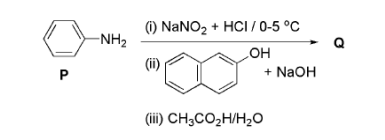
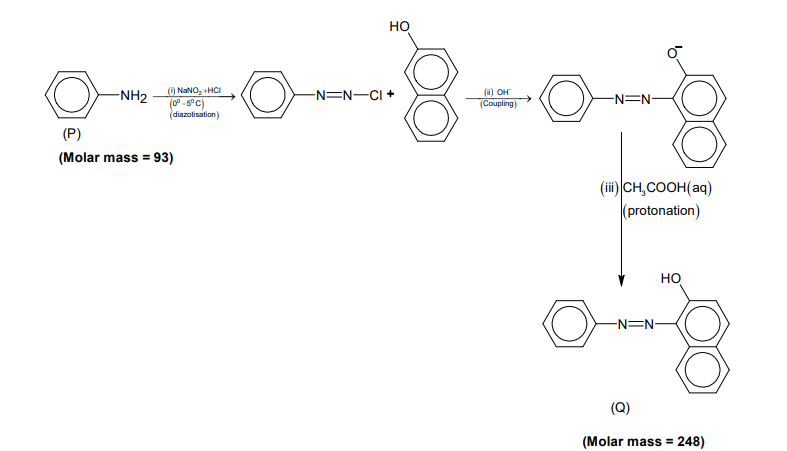
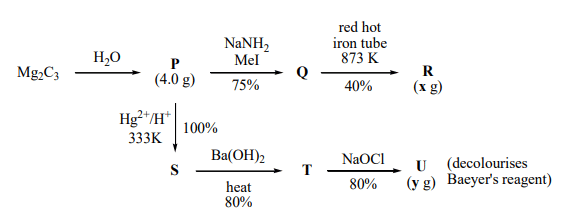
and are mass of and , respectively (Use : Molar mass (in of and as and , respectively) The value of is ______
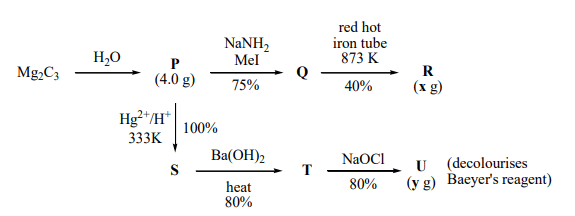
and are mass of and , respectively (Use : Molar mass (in of and as and , respectively) The value of is _______
and are mass of and , respectively. (Use : Molar mass (in of and as and , respectively)
Match the reactions (in the given stoichiometry of the reactants) in List-I with one of their products given in List-II and choose the correct option.
List-I | List-II | ||
| (P) | P2O3 + 3H2O → | (1) | P(O)(OCH3)Cl2 |
| (Q) | P4 + 3NaOH + 3H2O → | (2) | H3PO3 |
| (R) | PCl5 + CH3COOH → | (3) | PH3 |
| (S) | H3PO2 + 2H2O + 4AgNO3 → | (4) | POCl3 |
| (5) | H3PO4 |
P →2; Q→ 3; R →1; S →5
P →3; Q→ 5; R →4; S →2
P →5; Q→ 2; R →1; S →3
P →2; Q→ 3; R →4; S →5
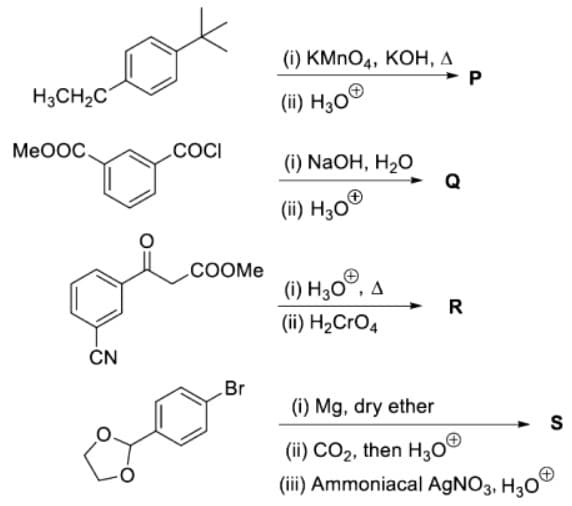
The correct statement(s) about P, Q, R, and S is(are)
[Atomic Number: Fe = 26, Mn = 25, Co = 27]
| List-I | List-II | ||
| (P) | (1) | ||
| (Q) | (2) | ||
| (R) | (3) | ||
| (S) | (4) | ||
| (5) |
P →1; Q→ 4; R →2; S →3
P →1; Q→ 2; R →4; S →5
P →3; Q→ 2; R →5; S →1
P →3; Q→ 2; R →4; S →1

The correct statement about S is
It primarily inhibits noradrenaline degrading enzymes
It inhibits the synthesis of prostaglandin.
It is a narcotic drug.
It is ortho-acetylbenzoic acid.
| List-I | List-II | ||
| (P) | (-)-1-Bromo-2-ethylpentane  (single enantiomer) | (1) | Inversion of configuration |
| (Q) | (-)-2-Bromopentane  (single enantiomer) | (2) | Retention of configuration |
| (R) | (-)-3- Bromo-3-methylhexane 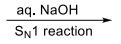 (single enantiometer) | (3) | Mixture of enantiomers |
| (S) | 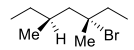 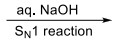 (single enantiometer) | (4) | Mixture of structural isomers |
| (5) | Mixture of diastereomers |
P →1; Q→2 ; R →5; S →3
P →2; Q→1 ; R →3; S →5
P →1; Q→2; R →5; S →4
P →2; Q→4; R →3; S →5
About Stoichiometry And Stoichiometric Calculations - JEE-ADVANCED
Stoichiometry And Stoichiometric Calculations is a vital chapter for JEE-ADVANCED aspirants. Mastering the concepts covered in this chapter is essential for securing a top rank.
By rigorously practicing the previous year questions associated with this chapter, you can identify high-yield topics, understand the examiner's perspective, and boost your confidence during the actual exam.
Frequently Asked Questions
Why focus on Stoichiometry And Stoichiometric Calculations PYQs?
Analyzing PYQs for this specific chapter reveals the most frequently tested concepts and the typical complexity of questions, allowing you to tailor your study plan efficiently.
How to best use this analysis?
Review the topic breakdown to see which sub-topics within Stoichiometry And Stoichiometric Calculations carry the most weight. Then, tackle the questions iteratively to solidify your understanding.