MHT-CET SERIES Chemistry
Chemical Reactions
9 previous year questions.
Volume: 9 Ques
Yield: Medium
High-Yield Trend
1
2025 3
2024 1
2019 2
2010 1
2008 1
2007 Chapter Questions 9 MCQs
01
PYQ 2007
medium
chemistry ID: mht-cet-
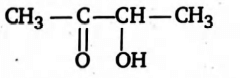
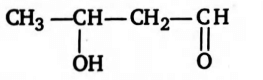
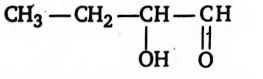
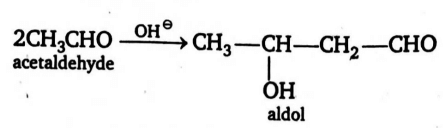
The aldol condensation of results is the formation of
1
2
3
4
02
PYQ 2008
medium
chemistry ID: mht-cet-
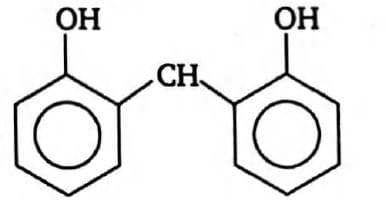
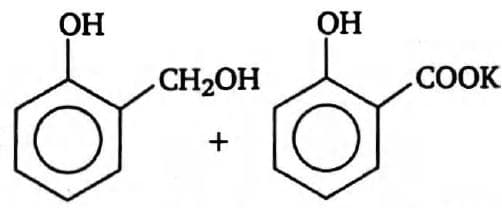
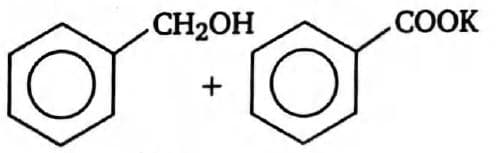
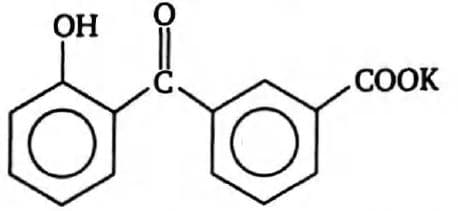
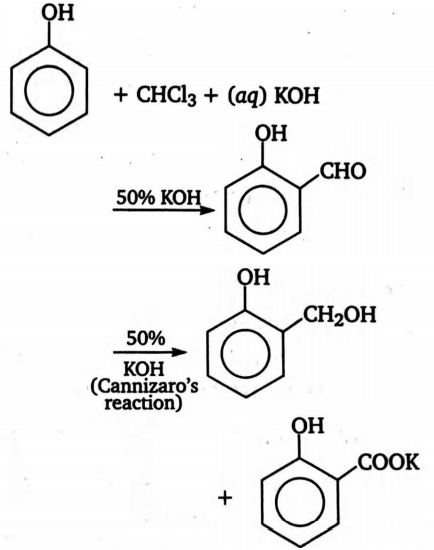
The final product of the following reaction is/are
1
2
3
4
03
PYQ 2010
easy
chemistry ID: mht-cet-
How many isomeric vicinal-dihalides are possible for the compound having molecular formula ?
1
2
3
4
04
PYQ 2010
easy
chemistry ID: mht-cet-
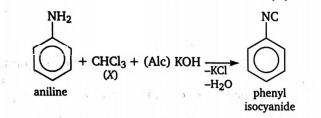
In the following reaction sequence, is
1
2
3
4
05
PYQ 2019
medium
chemistry ID: mht-cet-
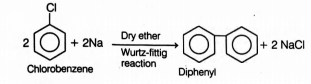
The reaction in which molecules of chlorobenzene reacts with metallic sodium in presence of dry ether forming diphenyl is an example of,
1
Wurtz-Fittig reaction
2
Wurtz reaction
3
Rosenmund reaction
4
Balz-Schiemann reaction
06
PYQ 2024
medium
chemistry ID: mht-cet-
What is the result of ozonolysis of propene?
1
Formation of acetone and formaldehyde
2
Formation of acetic acid
3
Formation of methanol and ethanol
4
Formation of two aldehydes or ketones
07
PYQ 2024
medium
chemistry ID: mht-cet-
Identify the name reaction for Swarts reaction and Witting reaction.
1
Nucleophilic substitution and Electrophilic substitution
2
Nucleophilic addition and Electrophilic addition
3
Nucleophilic substitution and Nucleophilic addition
4
Electrophilic substitution and Nucleophilic substitution
08
PYQ 2024
easy
chemistry ID: mht-cet-
The reagent used in the Etard reaction is:
1
2
3
4
09
PYQ 2025
easy
chemistry ID: mht-cet-
Which of the following gases is produced when zinc reacts with dilute hydrochloric acid?
1
Oxygen
2
Hydrogen
3
Nitrogen
4
Carbon dioxide
About Chemical Reactions - MHT-CET
Chemical Reactions is a vital chapter for MHT-CET aspirants. Mastering the concepts covered in this chapter is essential for securing a top rank.
By rigorously practicing the previous year questions associated with this chapter, you can identify high-yield topics, understand the examiner's perspective, and boost your confidence during the actual exam.
Frequently Asked Questions
Why focus on Chemical Reactions PYQs?
Analyzing PYQs for this specific chapter reveals the most frequently tested concepts and the typical complexity of questions, allowing you to tailor your study plan efficiently.
How to best use this analysis?
Review the topic breakdown to see which sub-topics within Chemical Reactions carry the most weight. Then, tackle the questions iteratively to solidify your understanding.