Morphology Of Flowering Plants
96 previous year questions.
High-Yield Trend
Chapter Questions 96 MCQs
Choose the correct match Bladderwert, sundew, venus flytrap
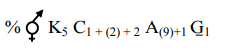

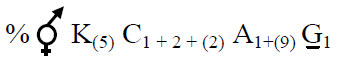
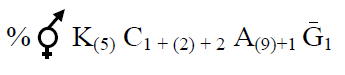
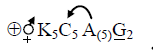
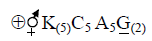
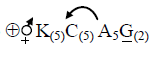
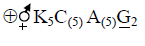
Placenta and pericarp are both edible portions in :
Tomato
Tulip
Indigofera
The site of perception of light in plants during photoperiodism is
Leaf
Shoot apex
Stem
Axillary bud
Match Column - I with Column - II.
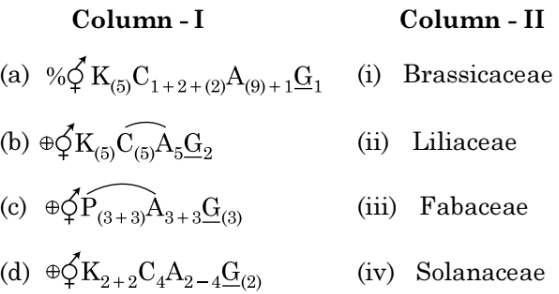
Select the correct answer from the options given below.
Identify the correct set of statements:
- The leaflets are modified into pointed hard thorns in Citrus and Bougainvillea
- Axillary buds form slender and spirally coiled tendrils in cucumber and pumpkin
- Stem is flattened and fleshy on Opuntia and modified to perform the function of leaves
- Rhizophora shows vertically upward growing roots that help to get oxygen for respiration
- Subaerially growing stems in grasses and strawberry help in vegetative propagation
Choose the correct answer from the options given below:
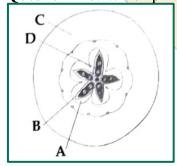
Which part of the fruit, labelled in the given figure makes it a false fruit?
The flowers are Zygomorphic in:
- Mustard
- Gulmohar
- Cassia
- Datura
- Chilli
Choose the correct answer from the options given below:
Family Fabaceae differs from Solanaceae and Liliaceae. With respect to the stamens, pick out the characteristics specific to family Fabaceae but not found in Solanaceae or Liliaceae.
Polyadelphous and epipetalous stamens
Monadelphous and Monothecous anthers
Epiphyllous and Dithecous anthers
Diadelphous and Dithecous anthers
Axile placentation is observed in
China rose, Beans and Lupin
Tomato, Dianthus and Pea
China rose, Petunia and Lemon
Mustard, Cucumber and Primrose
Assertion A: In gymnosperms the pollen grains are released from the microsporangium and carried by air currents.
Reason R: Air currents carry the pollen grains to the mouth of the archegonia where the male gametes are discharged and pollen tube is not formed.
In the light of the above statements, choose the correct answer from the options given below:
A. Sesbania
B. Brinjal
C. Indigofera
D. Tobacco
E. Asparagus
Choose the correct answer from the options given below :
| List-I | List-II |
| A. Vexillary aestivation | I. Brinjal |
| B. Epipetalous stamens | II. Peach |
| C. Epiphyllous stamens | III. Pea |
| D. Perigynous flower | IV. Lily |
Given below are two statements:
Statement I: In a floral formula, stands for zygomorphic nature of the flower, and stands for the interior ovary.
Statement II: In a floral formula, stands for actinomorphic nature of the flower, and stands for the superior ovary.
In light of the above statements, choose the correct answer from the options given below:
About Morphology Of Flowering Plants - NEET-UG
Morphology Of Flowering Plants is a vital chapter for NEET-UG aspirants. Mastering the concepts covered in this chapter is essential for securing a top rank.
By rigorously practicing the previous year questions associated with this chapter, you can identify high-yield topics, understand the examiner's perspective, and boost your confidence during the actual exam.
Frequently Asked Questions
Why focus on Morphology Of Flowering Plants PYQs?
Analyzing PYQs for this specific chapter reveals the most frequently tested concepts and the typical complexity of questions, allowing you to tailor your study plan efficiently.
How to best use this analysis?
Review the topic breakdown to see which sub-topics within Morphology Of Flowering Plants carry the most weight. Then, tackle the questions iteratively to solidify your understanding.