Sexual Reproduction In Flowering Plants
76 previous year questions.
High-Yield Trend
Chapter Questions 76 MCQs
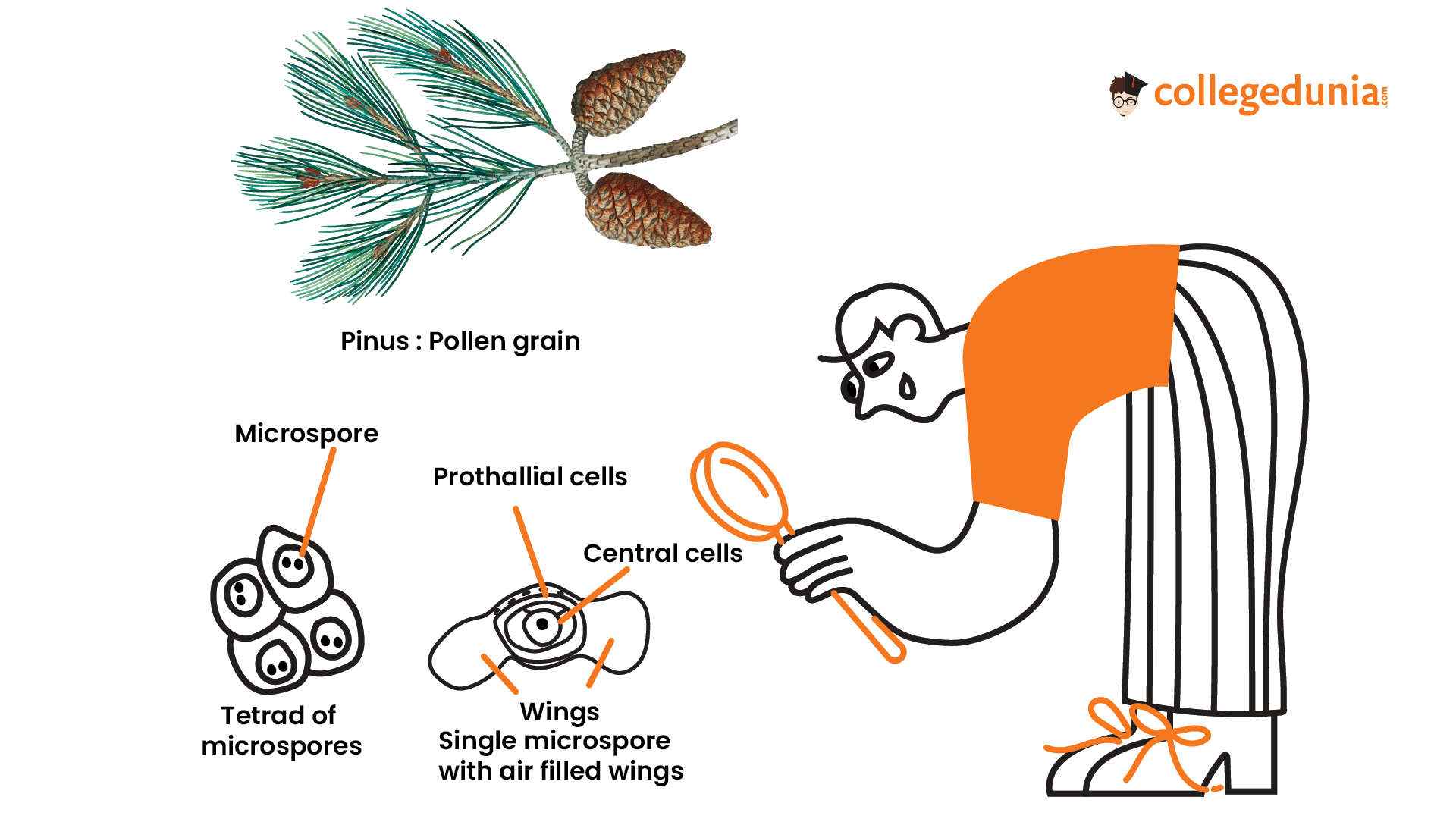
formation of pollen
Development of anther
Opening of flower bud
Reception of pollen by stigma
Stimulate division of generative cell
Geitonogamy involves :
Pollen grains of many species can germinate on the stigma of a flower, but only one pollen tube of the same species grows into the style
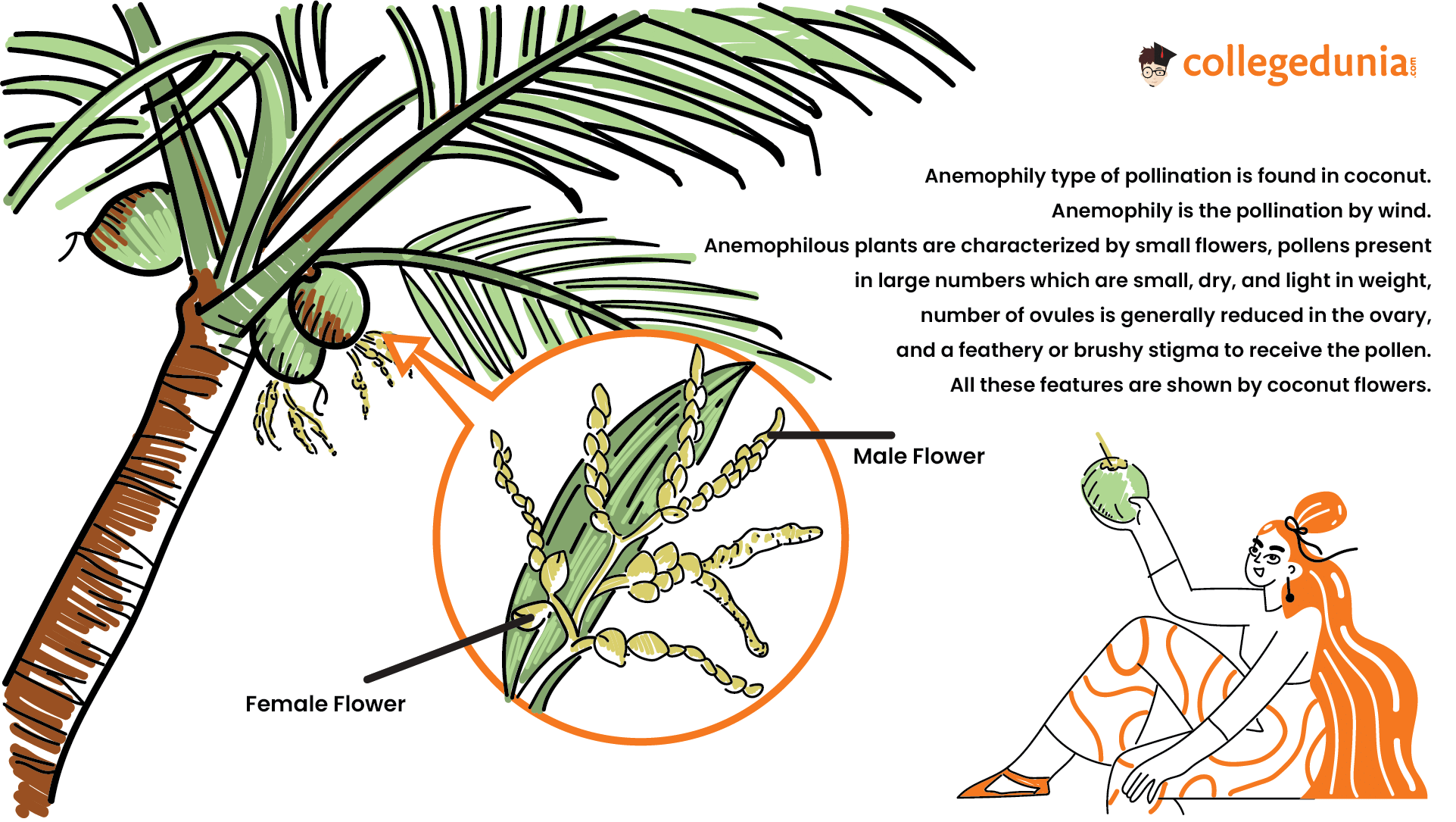
Some reptiles have also been reported as pollinators in some plant species
The term used for transfer of pollen grains from anthers of one plant to stigma of a different plant which, during pollination, brings genetically different types of pollen grains to stigma, is
Cleistogamy
Xenogamy
Geitonogamy
Chasmogamy
Statement I: Cleistogamous flowers are invariably autogamous
Statement II: Cleistogamy is disadvantageous as there is no chance for cross pollination
In the light of the above statements, choose the correct answer from the options given below:
To trap pollen grains
To disperse pollen grains
To protect seeds
To attract insects
About Sexual Reproduction In Flowering Plants - NEET-UG
Sexual Reproduction In Flowering Plants is a vital chapter for NEET-UG aspirants. Mastering the concepts covered in this chapter is essential for securing a top rank.
By rigorously practicing the previous year questions associated with this chapter, you can identify high-yield topics, understand the examiner's perspective, and boost your confidence during the actual exam.
Frequently Asked Questions
Why focus on Sexual Reproduction In Flowering Plants PYQs?
Analyzing PYQs for this specific chapter reveals the most frequently tested concepts and the typical complexity of questions, allowing you to tailor your study plan efficiently.
How to best use this analysis?
Review the topic breakdown to see which sub-topics within Sexual Reproduction In Flowering Plants carry the most weight. Then, tackle the questions iteratively to solidify your understanding.