Chemical Reactions
30 previous year questions.
High-Yield Trend
Chapter Questions 30 MCQs
3A → 2B,rate of reaction +d[B]/dt is equals to
–
–
H2O involves hydrogen bonding whereas BeF2 is a discrete molecule
H2O is linear and BeF2 is angular
H2O is angular and BeF2 is linear
The electronegativity of F is greater than that of O
It has a very high cryoscopic constant
It is volatile
It is solvent for organic substances
It is readily available
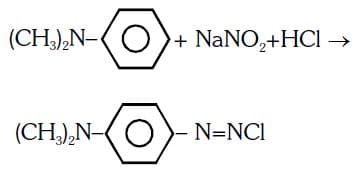
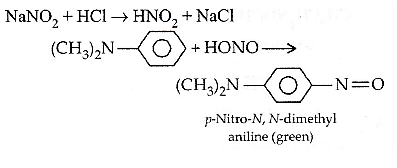
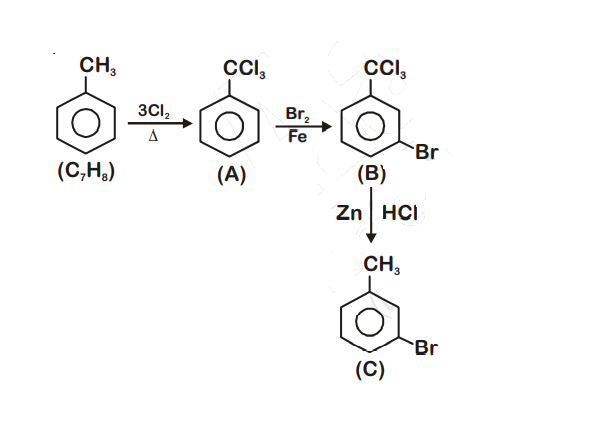
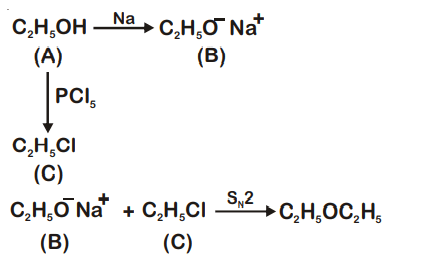

The product ‘C’ is
a)
Select the correct option from the following:
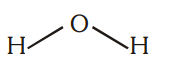
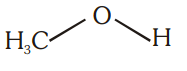
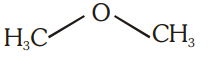
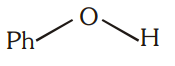
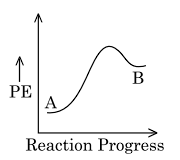
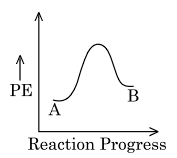
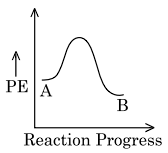
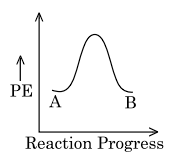
Which of the following reactions is the metal displacement reaction? Choose the right option.
Noble gases have large positive values of electron gain enthalpy
Noble gases are sparingly soluble in water
Noble gases have very high melting and boiling points
Noble gases have weak dispersion forces


(ii) CrO3
(ii)
(iii) PCC
(ii)
(iii) alk. KMnO4
(i) H2O/H+
(ii) PCC
A. Tollen's reagent
B. Schiff's reagent
C. HCN
D NH2OH
E. NaHSO3
Choose the correct options from the given below:
Identify the major product C formed in the following reaction sequence: 
Given R=8.314 J K-1 mol-1, log 4=0.6021
3ROH+PCI3→3RCI+A
ROH+PCI5→RCI+HCI+B
H3PO3 and POCI3
List-I | List-II | ||
| (A) |  | (I) | 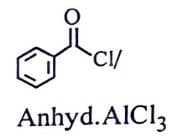 |
| (B) | 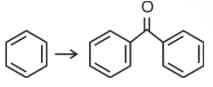 | (II) | CrO3 |
| (C) | 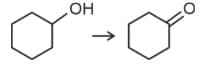 | (III) | KMnO4/KOH, |
| (D) | 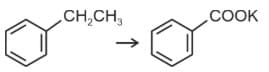 | (IV) | (i) O3 (ii) Zn-H2O |
Choose the correct answer from the options given below:
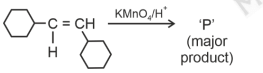
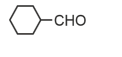
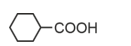
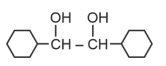
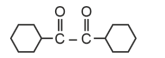
‘P’ is
About Chemical Reactions - NEET-UG
Chemical Reactions is a vital chapter for NEET-UG aspirants. Mastering the concepts covered in this chapter is essential for securing a top rank.
By rigorously practicing the previous year questions associated with this chapter, you can identify high-yield topics, understand the examiner's perspective, and boost your confidence during the actual exam.
Frequently Asked Questions
Why focus on Chemical Reactions PYQs?
Analyzing PYQs for this specific chapter reveals the most frequently tested concepts and the typical complexity of questions, allowing you to tailor your study plan efficiently.
How to best use this analysis?
Review the topic breakdown to see which sub-topics within Chemical Reactions carry the most weight. Then, tackle the questions iteratively to solidify your understanding.