NEET-UG SERIES Chemistry
Molecular Orbital Theory
8 previous year questions.
Volume: 8 Ques
Yield: Medium
High-Yield Trend
1
2019 1
2018 2
2015 1
2007 1
1997 1
1996 1
1995 Chapter Questions 8 MCQs
01
PYQ 1995
medium
chemistry ID: neet-ug-
The correct order of the bond length in and is
1
2
3
4
02
PYQ 1996
medium
chemistry ID: neet-ug-
The correct order of bond lengths in and is
1
2
3
4
03
PYQ 1997
easy
chemistry ID: neet-ug-
The ion which is isoelectronic with CO is
1
2
3
4
04
PYQ 2007
medium
chemistry ID: neet-ug-
The correct order of bond length among , is
1
2
3
4
05
PYQ 2015
medium
chemistry ID: neet-ug-
Which of the following pairs of ions are isoelectronic and isostructural ?
1
2
3
4
06
PYQ 2015
easy
chemistry ID: neet-ug-
Which of the following options represents the correct bond order ?
1
2
3
4
07
PYQ 2018
medium
chemistry ID: neet-ug-
Which one is a wrong statement ?
1
Total orbital angular momentum of electron in ‘s’ orbital is equal to zero.
2
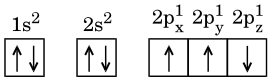
The electronic configuration of N atom is
3
An orbital is designated by three quantum numbers while an electron in an atom is designated by four quantum numbers.
4
The value of m for dz2 is zero.
08
PYQ 2019
medium
chemistry ID: neet-ug-
Which of the following diatomic molecular species has only bonds according to Molecular Orbital Theory?
1
2
3
4
About Molecular Orbital Theory - NEET-UG
Molecular Orbital Theory is a vital chapter for NEET-UG aspirants. Mastering the concepts covered in this chapter is essential for securing a top rank.
By rigorously practicing the previous year questions associated with this chapter, you can identify high-yield topics, understand the examiner's perspective, and boost your confidence during the actual exam.
Frequently Asked Questions
Why focus on Molecular Orbital Theory PYQs?
Analyzing PYQs for this specific chapter reveals the most frequently tested concepts and the typical complexity of questions, allowing you to tailor your study plan efficiently.
How to best use this analysis?
Review the topic breakdown to see which sub-topics within Molecular Orbital Theory carry the most weight. Then, tackle the questions iteratively to solidify your understanding.