AP-EAPCET SERIES
Chemistry

Bond Parameters

7 previous year questions.

Volume: 7 Ques
Yield: Medium

High-Yield Trend

2
2024
2
2023
2
2019
1
2018

Chapter Questions
7 MCQs

01
PYQ 2018
easy
chemistry ID: ap-eapce
The species, which has the bond order same as that of , molecule is
1
2
3
4
02
PYQ 2019
hard
chemistry ID: ap-eapce
The molecule/ion having diamagnetic nature and a bond order of is
1
2
3
4
None
03
PYQ 2019
easy
chemistry ID: ap-eapce
Which one of the following properties has same value for and ?
1
density
2
enthalpy of bond dissociation
3
bond length
4
melting point
04
PYQ 2023
medium
chemistry ID: ap-eapce
Identify the correctly matched pair from the following:
1
C-C ------- 120 pm
2
C=C ------- 110 pm
3
C=C ------- 154 pm
4
C-C Bond length in Benzene ------- 139 pm
05
PYQ 2023
medium
chemistry ID: ap-eapce
Which of the following is not correct for Frenkel defect?
1
It doesn't change the density of the solid
2
It is also called dislocation point defect
3
Entropy of the solid increases
4
It is due to very small difference in the size of ions
06
PYQ 2024
easy
chemistry ID: ap-eapce
The correct order of bond angles of the molecules , , , is:
1

2

3

4

07
PYQ 2024
medium
chemistry ID: ap-eapce

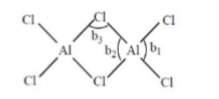
The bond angles in the above structure are respectively in :
1

2

3

4

About Bond Parameters - AP-EAPCET

Bond Parameters is a vital chapter for AP-EAPCET aspirants. Mastering the concepts covered in this chapter is essential for securing a top rank.

By rigorously practicing the previous year questions associated with this chapter, you can identify high-yield topics, understand the examiner's perspective, and boost your confidence during the actual exam.

Frequently Asked Questions

Why focus on Bond Parameters PYQs?

Analyzing PYQs for this specific chapter reveals the most frequently tested concepts and the typical complexity of questions, allowing you to tailor your study plan efficiently.

How to best use this analysis?

Review the topic breakdown to see which sub-topics within Bond Parameters carry the most weight. Then, tackle the questions iteratively to solidify your understanding.