Chemistry In Everyday Life
26 previous year questions.
High-Yield Trend
Chapter Questions 26 MCQs
Reason (R): Animal skin has positively charged particles.
(K for water = 1.86 K kg mol )
Given below are two statements:
Assertion (A): Hydrolysis of DNA does not form equal numbers of adenine (A) and thymine (T), or guanine (G) and cytosine (C).
Reason (R): In DNA, adenine forms hydrogen bonds with thymine and cytosine forms hydrogen bonds with guanine.
The correct answer is:
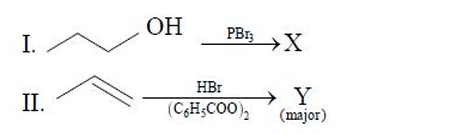
The number of products obtained in the following reaction is: Reaction: 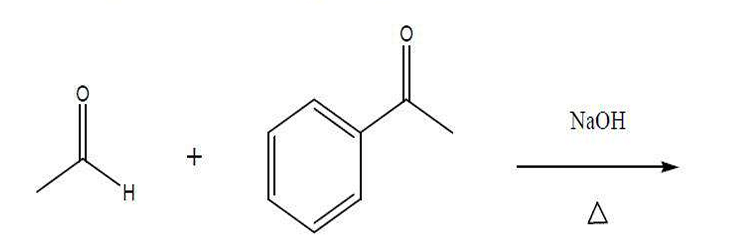
Match the following:
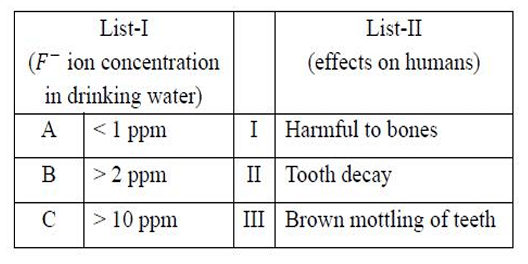
Which of the following reactions give phosphine?
i. Reaction of calcium phosphide with water
ii. Heating white phosphorus with concentrated NaOH solution in an inert atmosphere
iii. Heating red phosphorus with alkali
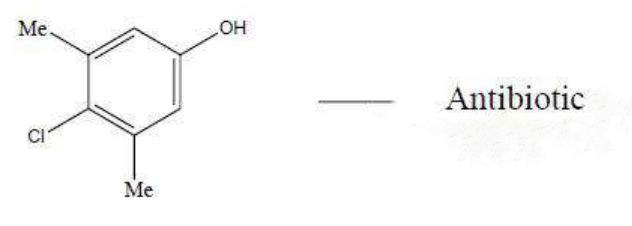
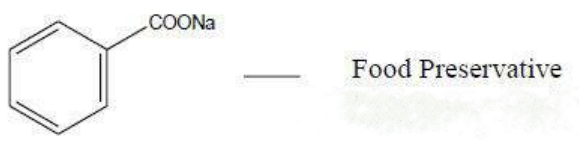
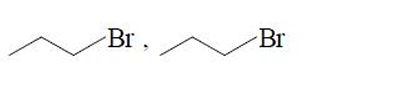
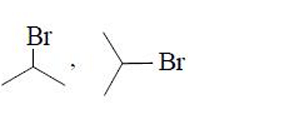
| List-I (Polymer) | List-II (Used in making) |
|---|---|
| Polymer 1 | Application 1 |
| Polymer 2 | Application 2 |
| Polymer 3 | Application 3 |
| Polymer 4 | Application 4 |
About Chemistry In Everyday Life - AP-EAPCET
Chemistry In Everyday Life is a vital chapter for AP-EAPCET aspirants. Mastering the concepts covered in this chapter is essential for securing a top rank.
By rigorously practicing the previous year questions associated with this chapter, you can identify high-yield topics, understand the examiner's perspective, and boost your confidence during the actual exam.
Frequently Asked Questions
Why focus on Chemistry In Everyday Life PYQs?
Analyzing PYQs for this specific chapter reveals the most frequently tested concepts and the typical complexity of questions, allowing you to tailor your study plan efficiently.
How to best use this analysis?
Review the topic breakdown to see which sub-topics within Chemistry In Everyday Life carry the most weight. Then, tackle the questions iteratively to solidify your understanding.