Polymers
25 previous year questions.
High-Yield Trend
Chapter Questions 25 MCQs
Reason (R): The activation energy of a reaction is lowered by the catalyst.
Reason (R): Finely divided material has small surface area
Which of the following are homopolymers?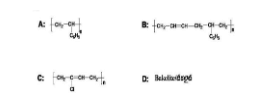

A. Neoprene —- Weak intermolecular forces
B. Terylene —- Hydrogen bonding
C. Polystyrene —- Very weak intermolecular forces
D. Polythelene —- Hydrogen bonding
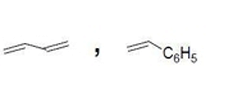
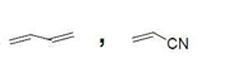
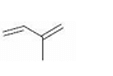
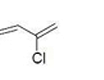
For ozone molecule consider the following:
1. It is a linear molecule with bond angle
2. It is an angular molecule with bond angle
3. The bond lengths of both O-O bonds are same
4. With respect to oxygen it is thermodynamically more stable
The correct options are
Which of the following are correct?
i. V liberates hydrogen from a dilute acid
ii. The earlier members of lanthanide series behave more like aluminium
iii. The ‘silver’ UK coins are made of CuNi alloy
iv. The maximum oxidation state exhibited by Neptunium is +7
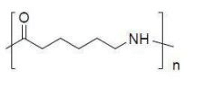
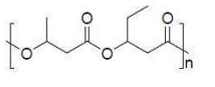
A. PHBV
B. Buna-N
C. Neoprene
D. Nylon-6
E. Glyptal
Polymerisation of by and


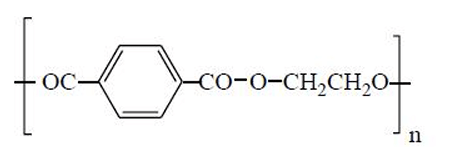
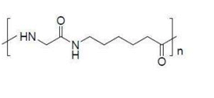
Statement-I: Nylon 6 is a condensation copolymer.
Statement-II: Nylon 6,6 is a condensation polymer of adipic acid and tetramethylene diamine.
The correct answer is
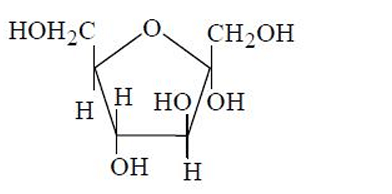
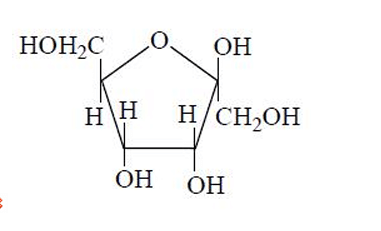
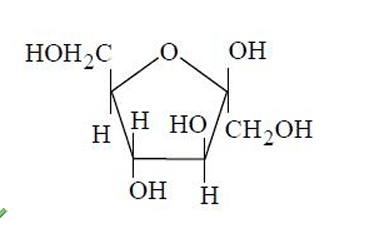
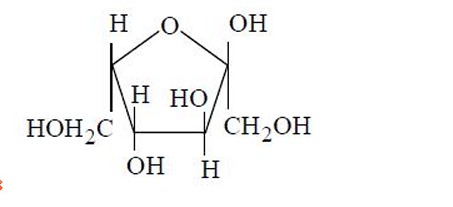

Match the following polymers with their applications: 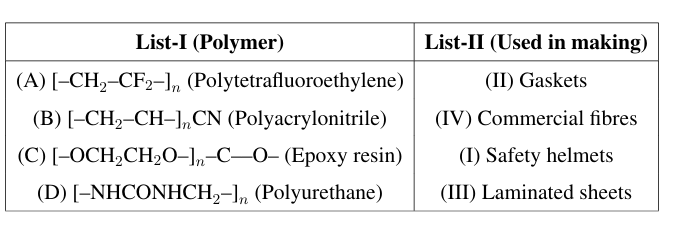
A−III,B −V,C −I,D−II
A−I,B −II,C −IV,D−III
A−II,B −IV,C −I,D−III
A−II,B −IV,C −V,D−I
\hline
3-Hydroxybutanoic acid → 3-Hydroxypentanoic acid → X X is:
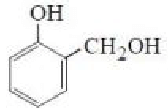
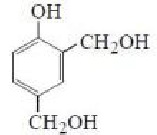

About Polymers - AP-EAPCET
Polymers is a vital chapter for AP-EAPCET aspirants. Mastering the concepts covered in this chapter is essential for securing a top rank.
By rigorously practicing the previous year questions associated with this chapter, you can identify high-yield topics, understand the examiner's perspective, and boost your confidence during the actual exam.
Frequently Asked Questions
Why focus on Polymers PYQs?
Analyzing PYQs for this specific chapter reveals the most frequently tested concepts and the typical complexity of questions, allowing you to tailor your study plan efficiently.
How to best use this analysis?
Review the topic breakdown to see which sub-topics within Polymers carry the most weight. Then, tackle the questions iteratively to solidify your understanding.