Electric Current
35 previous year questions.
High-Yield Trend
Chapter Questions 35 MCQs
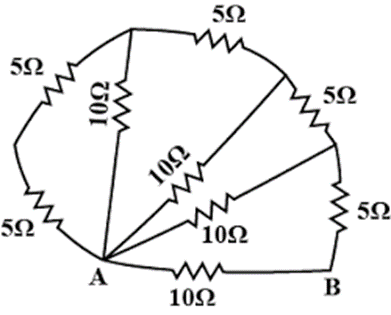
(Charge on electron = 1.6 × 10⁻¹⁹C)
(A) The drift velocity of electrons decreases with the increase in the temperature of conductor.
(B) The drift velocity is inversely proportional to the area of cross-section of given conductor.
(C) The drift velocity does not depend on the applied potential difference to the conductor.
(D) The drift velocity of electron is inversely proportional to the length of the conductor.
(E) The drift velocity increases with the increase in the temperature of conductor.
Choose the correct answer from the options given below
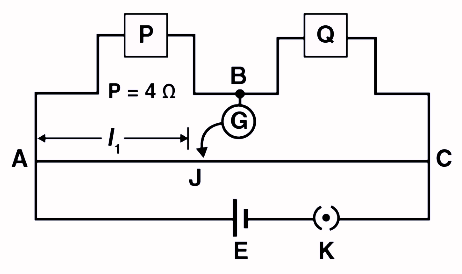
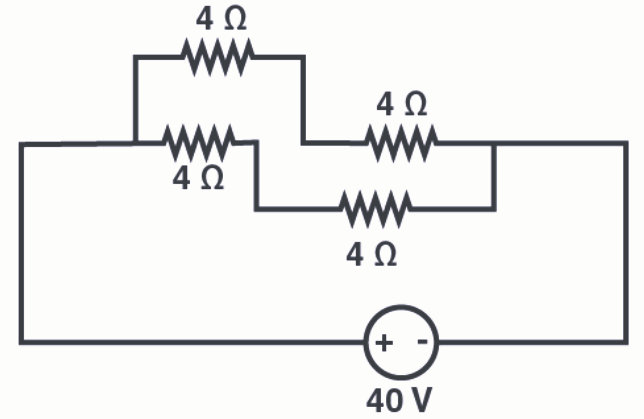
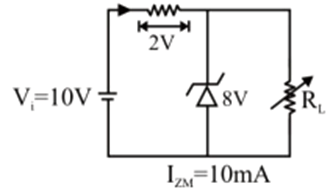
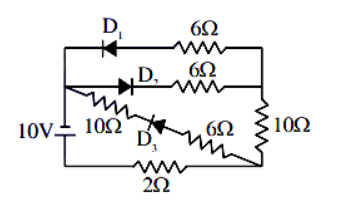
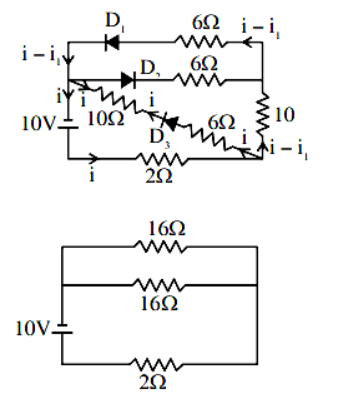
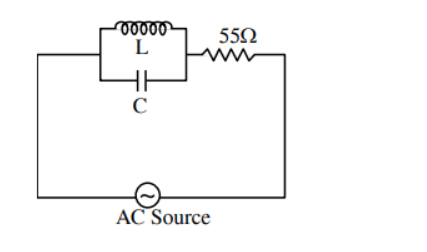
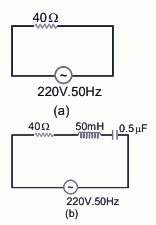
The current through the resistance 55Ω, at resonance in the circuit, will be _______ A
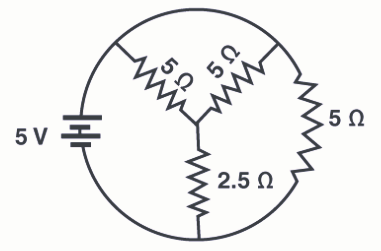
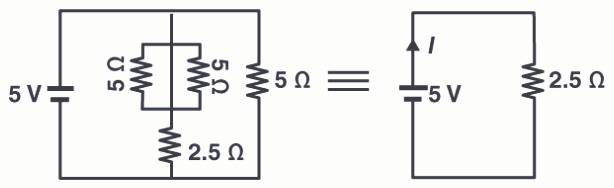
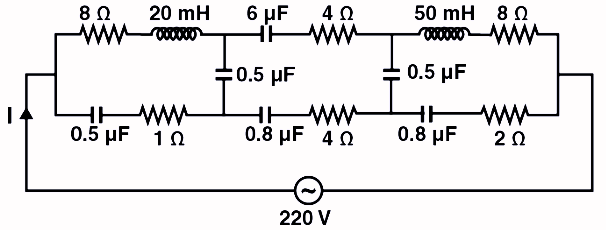
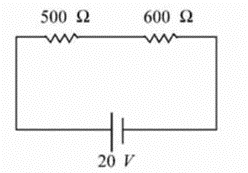
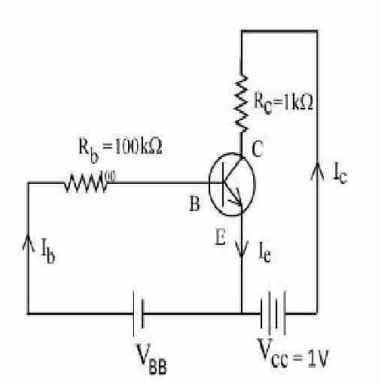
Two resistors are connected in series across a battery as shown in figure. If a voltmeter of resistance 2000 Ω is used to measure the potential difference across 500 Ω resistor, the reading of the voltmeter will be _____ V.
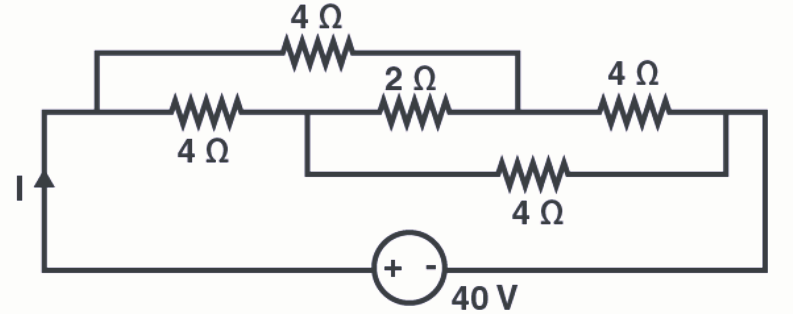
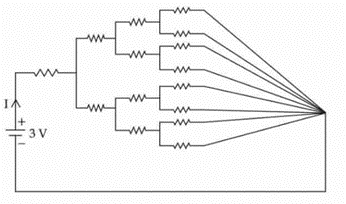
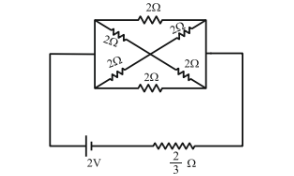
All resistances in figure are 1 Ω each. The value of current ‘I‘ is (a/5) A. The value of a is _______.
The amount of thermal energy is developed by a resistor in when a current of is passed through it If the current is increased to , the themal energy developed by the resistor in will be:
Statement I : An AC circuit undergoes electrical resonance if it contains either a capacitor or an inductor.
Statement II : An AC circuit containing a pure capacitor or a pure inductor consumes high power due to its non-zero power factor.
In the light of above statements, choose the correct answer from the options given below :
Statement I : If the number of turns in the coil of a moving coil galvanometer is doubled then the current sensitivity becomes double.
Statement II : Increasing current sensitivity of a moving coil galvanometer by only increasing the number of turns in the coil will also increase its voltage sensitivity in the same ratio.
In the light of the above statement, choose the correct answer from the options given below :
About Electric Current - JEE-MAIN
Electric Current is a vital chapter for JEE-MAIN aspirants. Mastering the concepts covered in this chapter is essential for securing a top rank.
By rigorously practicing the previous year questions associated with this chapter, you can identify high-yield topics, understand the examiner's perspective, and boost your confidence during the actual exam.
Frequently Asked Questions
Why focus on Electric Current PYQs?
Analyzing PYQs for this specific chapter reveals the most frequently tested concepts and the typical complexity of questions, allowing you to tailor your study plan efficiently.
How to best use this analysis?
Review the topic breakdown to see which sub-topics within Electric Current carry the most weight. Then, tackle the questions iteratively to solidify your understanding.