Optics
77 previous year questions.
High-Yield Trend
Chapter Questions 77 MCQs
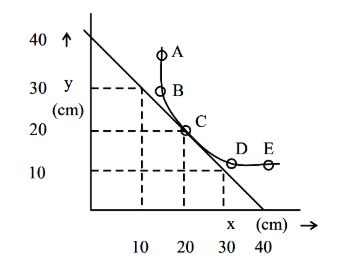
In an experiment to measure the focal length (f) of a convex lens, the magnitude of object distance (x) and the image distance (y) are measured with reference to the focal point of the lens. The y-x plot is shown in figure.
The focal length of the lens is_____cm.
The refractive indices of the first and second media are in the ratio:
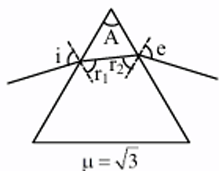
Statement I : When the white light passed through a prism, the red light bends lesser than yellow and violet.
Statement II : The refractive indices are different for different wavelengths in dispersive medium.
In the light of the above statements, choose the correct answer from the options given below :
When an object is placed 40 cm away from a spherical mirror an image of magnification is produced. To obtain an image with magnification of , the object is to be moved:
If an optical medium possesses a relative permeability of and relative permittivity of , then the velocity of light is greater in vacuum than in that medium by ________ times.
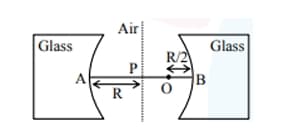
A spherical surface separates two media of refractive indices and as shown in the figure. Distance of the image of an object , if is the center of curvature of the spherical surface and is the radius of curvature, is: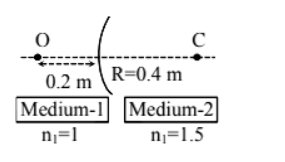
0.4 m left to the spherical surface
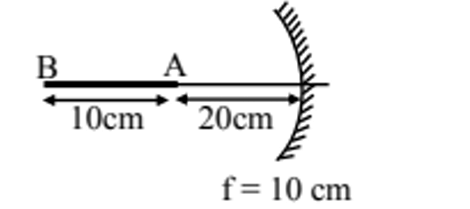
A slanted object AB is placed on one side of convex lens as shown in the diagram. The image is formed on the opposite side. Angle made by the image with principal axis is: 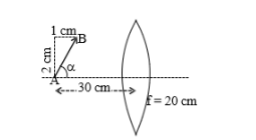
Distance between object and its image (magnified by ) is 30 cm. The focal length of the mirror used is , where magnitude of value of x is _______ .
Light from a point source in air falls on a spherical glass surface (refractive index, and radius of curvature cm). The image is formed at a distance of 200 cm from the glass surface inside the glass. The magnitude of distance of the light source from the glass surface is 1cm.
Assertion (A) : Refractive index of glass is higher than that of air.
Reason (R) : Optical density of a medium is directly proportionate to its mass density which results in a proportionate refractive index.
In the light of the above statements, choose the most appropriate answer from the options given below :
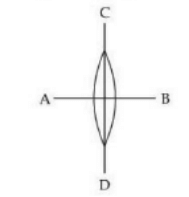
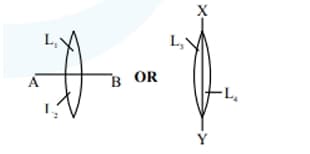
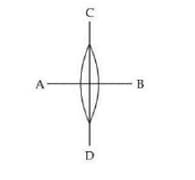
A symmetric thin biconvex lens is cut into four equal parts by two planes AB and CD as shown in the figure. If the power of the original lens is 4D, then the power of a part of the divided lens is:
Assertion (A) : If Young’s double slit experiment is performed in an optically denser medium than air, then the consecutive fringes come closer.
Reason (R) : The speed of light reduces in an optically denser medium than air while its frequency does not change.
In the light of the above statements, choose the most appropriate answer from the options given below :
In the diagram given below, there are three lenses formed. Considering negligible thickness of each of them as compared to and , i.e., the radii of curvature for upper and lower surfaces of the glass lens, the power of the combination is: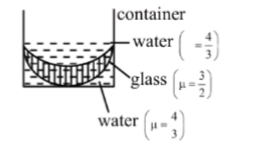
68.7 nm
94.8 nm
As shown in the figure, for a biconvex lens the focal length is and both radii of curvature are . Find the value of ( ): 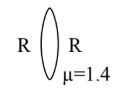
The strain-stress plot for materials A, B, C and D is shown in the figure. Which material has the largest Young's modulus? 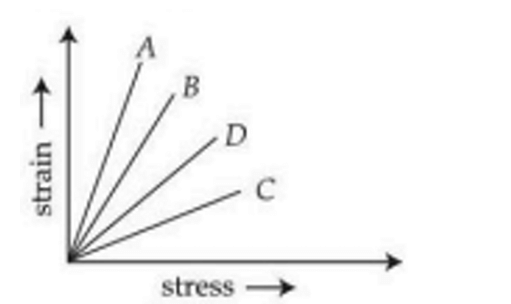
Thin symmetric prism of . Find ratio of incident angle and minimum deviation.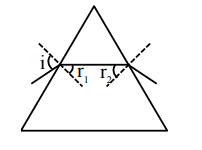
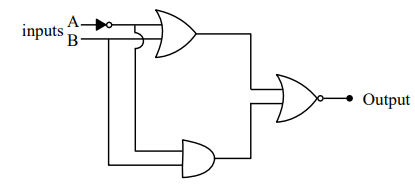
Find the distance of the final image from the second lens. Given , . The object is placed to the left of the first lens and the separation between the lenses is . 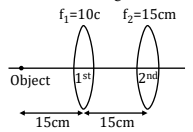
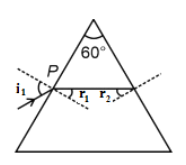
Speed of light in the prism is . Find the minimum deviation through the prism shown below. 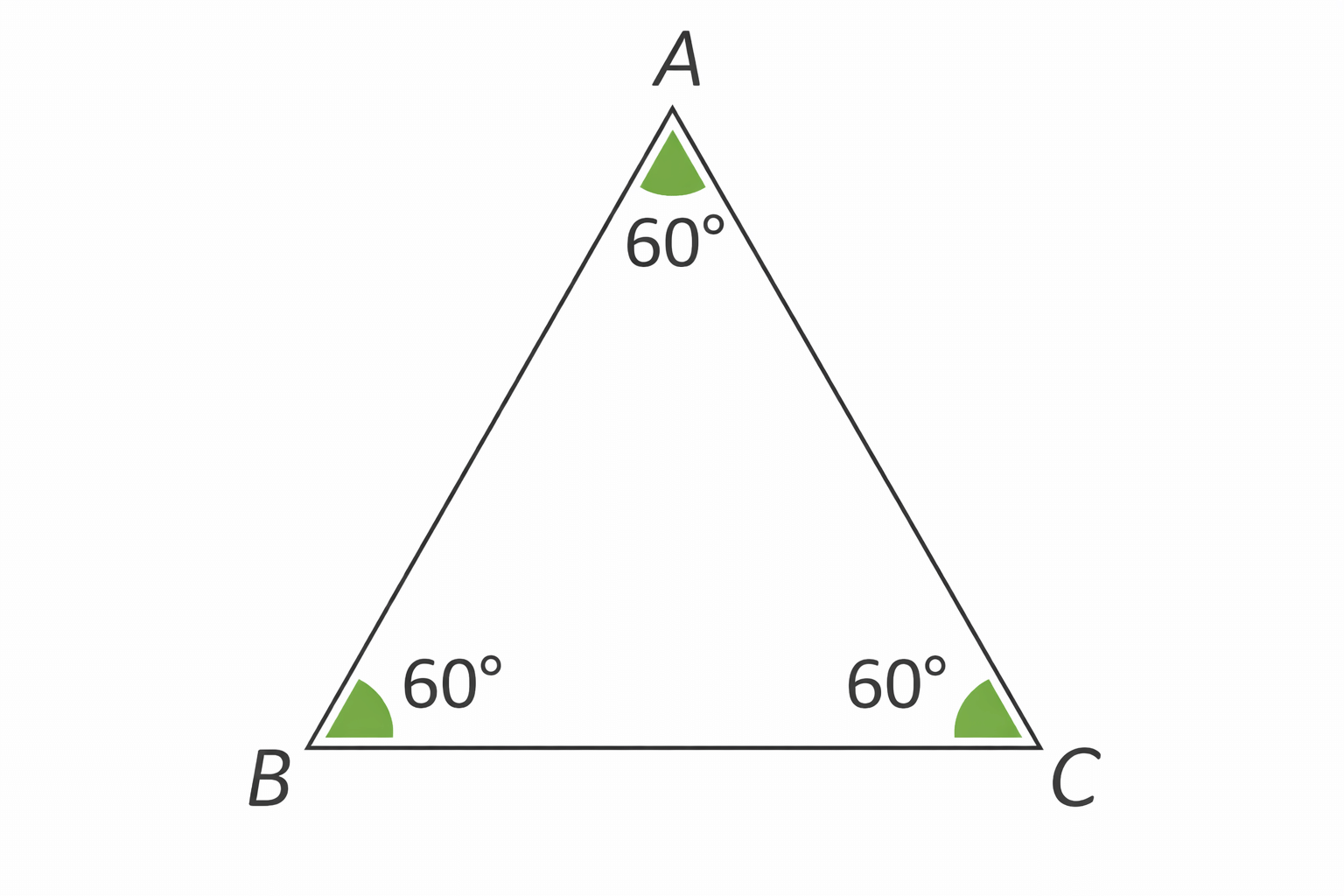
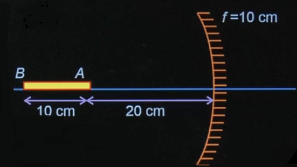
Object is placed at from spherical surface whose radius of curvature is . Find height of image formed.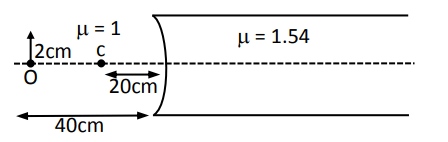
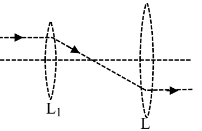
Keeping the positions of the convex lens and the object undisturbed, a gap of cm is introduced between the lenses by moving the concave lens away. This leads to a change in magnification of the total lens system to .
The value of is
About Optics - JEE-MAIN
Optics is a vital chapter for JEE-MAIN aspirants. Mastering the concepts covered in this chapter is essential for securing a top rank.
By rigorously practicing the previous year questions associated with this chapter, you can identify high-yield topics, understand the examiner's perspective, and boost your confidence during the actual exam.
Frequently Asked Questions
Why focus on Optics PYQs?
Analyzing PYQs for this specific chapter reveals the most frequently tested concepts and the typical complexity of questions, allowing you to tailor your study plan efficiently.
How to best use this analysis?
Review the topic breakdown to see which sub-topics within Optics carry the most weight. Then, tackle the questions iteratively to solidify your understanding.