Rotational Mechanics
36 previous year questions.
High-Yield Trend
Chapter Questions 36 MCQs
Assertion A : Moment of inertia of a circular disc of mass 'M' and radius 'R' about X, Y axes (passing through its plane) and Z-axis which is perpendicular to its plane were found to be , respectively. The respective radii of gyration about all the three axes will be the same.
Reason R : A rigid body making rotational motion has fixed mass and shape.
In the light of the above statements, choose the most appropriate answer from the options given below :
A solid cylinder of mass is wrapped with an inextensible light string and is placed on a rough inclined plane as shown in the figure. The frictional force acting between the cylinder and the inclined plane is: [The coefficient of static friction, , is 0.4] (Figure: Cylinder on 60° incline with string wrapped parallel to the incline) 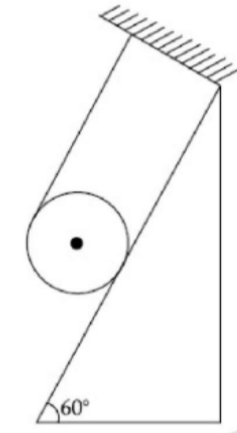
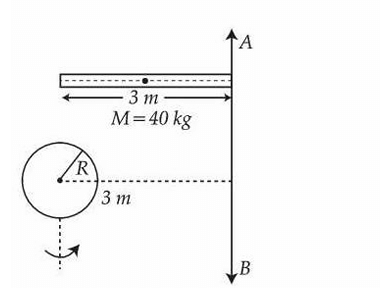
(g is acceleration due to gravity)
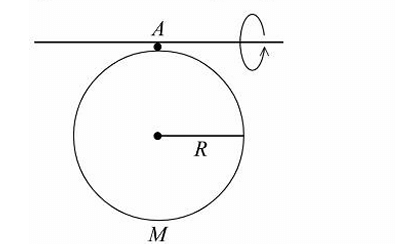
A thin uniform rod ( ) of mass and length is pivoted at a height as shown in the figure. The rod is allowed to fall from a vertical position and lie horizontally on the table. The angular velocity of this rod when it hits the table top is ________. ( = gravitational acceleration) 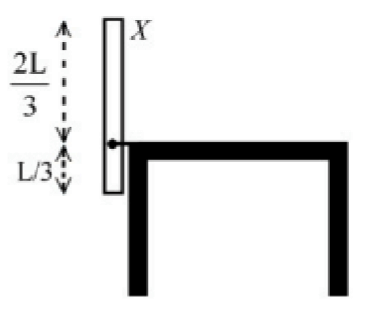
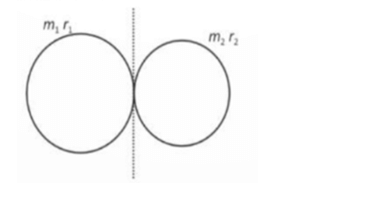
(Given gm, gm, R = 2 cm, g = 10 m/s )
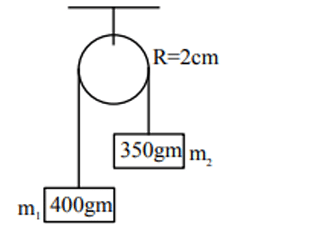
(Take )
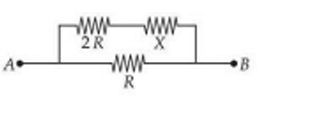
(Given: )
\bigskip
In the given figure, the blocks , and weigh , and respectively. The coefficient of sliding friction between any two surfaces is . The force required to slide the block with constant speed is ___ N.
(Given: ) 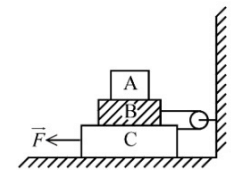
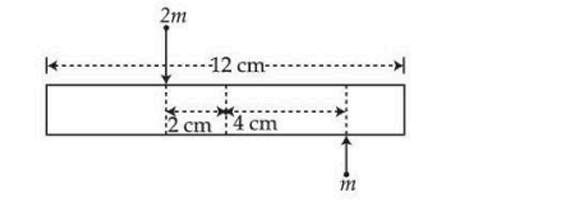
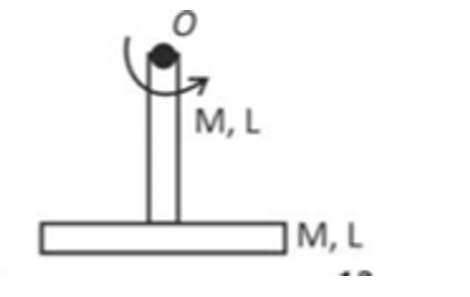
All are cylindrical rods having radius of cross-section and mass of each rod . Find the moment of inertia about axis: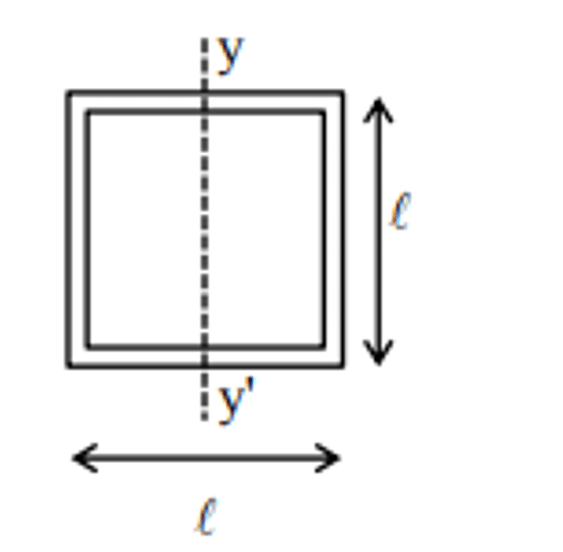
Masses and are connected by a massless rod of length . If angular momentum about an axis passing through centre of mass and perpendicular to the rod is , then the angular speed of the system is: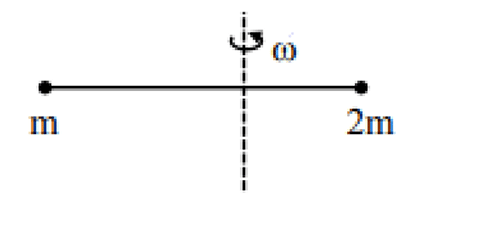
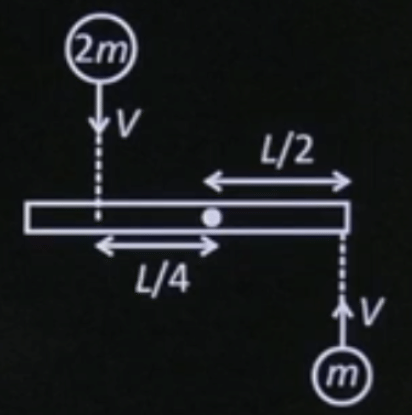
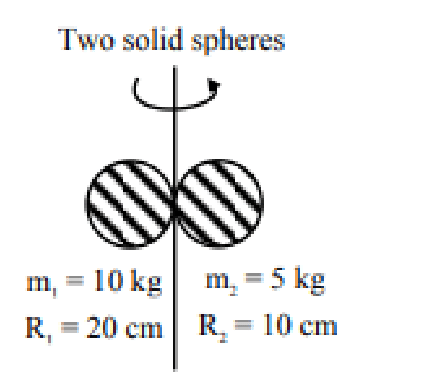
In the system of two discs and a rod of mass 600 g each, a torque of magnitude dyne-cm is applied along the axis of rotation as shown in figure. Find the approx angular acceleration about given axis : 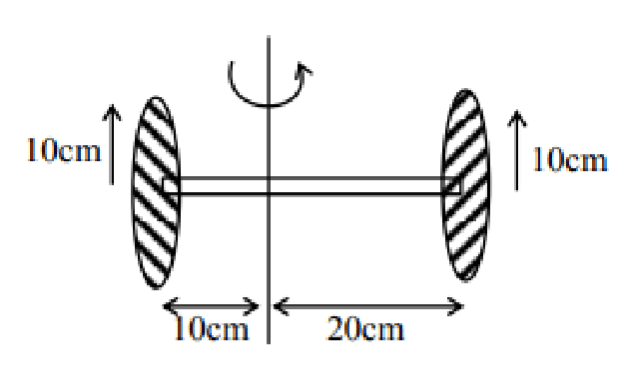
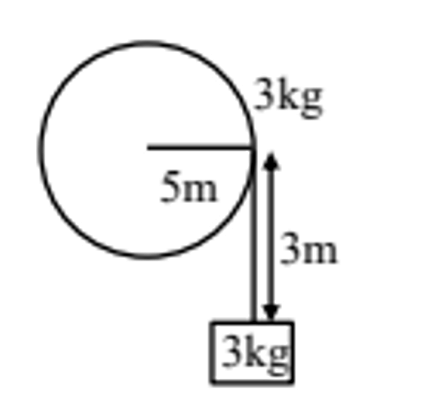
About Rotational Mechanics - JEE-MAIN
Rotational Mechanics is a vital chapter for JEE-MAIN aspirants. Mastering the concepts covered in this chapter is essential for securing a top rank.
By rigorously practicing the previous year questions associated with this chapter, you can identify high-yield topics, understand the examiner's perspective, and boost your confidence during the actual exam.
Frequently Asked Questions
Why focus on Rotational Mechanics PYQs?
Analyzing PYQs for this specific chapter reveals the most frequently tested concepts and the typical complexity of questions, allowing you to tailor your study plan efficiently.
How to best use this analysis?
Review the topic breakdown to see which sub-topics within Rotational Mechanics carry the most weight. Then, tackle the questions iteratively to solidify your understanding.