Biomolecules
92 previous year questions.
High-Yield Trend
Chapter Questions 92 MCQs
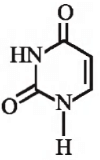
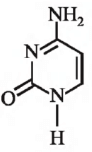
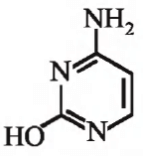
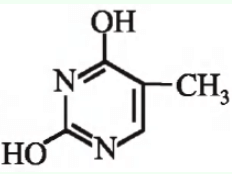
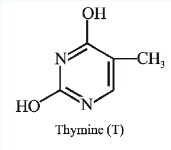
Assertion (A): Sucrose is a disaccharide and a non-reducing sugar.
Reason (R) : Sucrose involves glycosidic linkage between C of -glucose and C of -fructose.
Choose the most appropriate answer from the options given below :
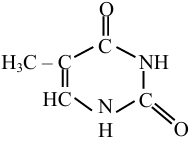
Out of following isomeric forms of uracil, which one is present in RNA? 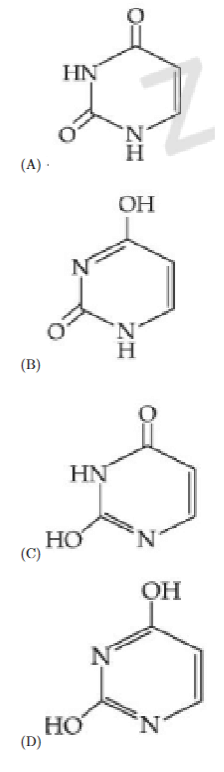
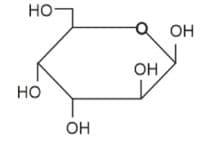
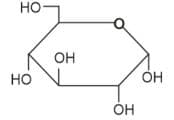
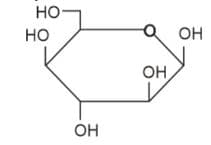
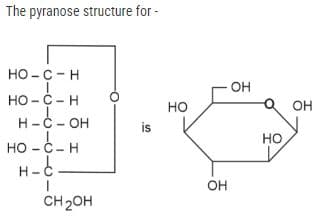
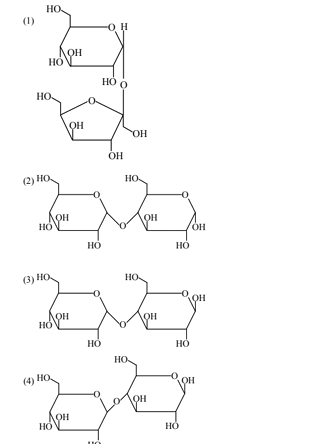
Which of the following is correct structure of -anomer of maltose? 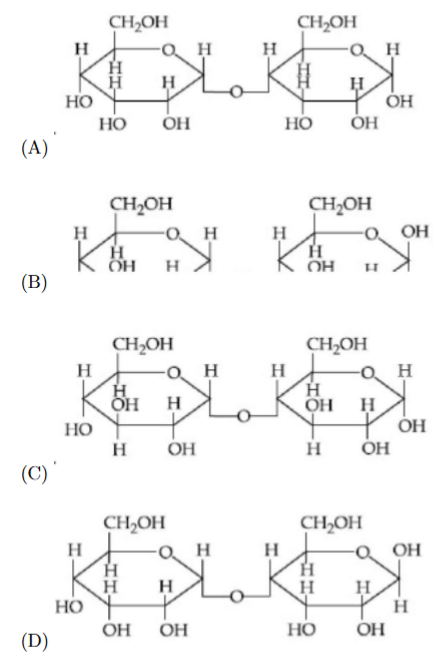
A
B
C
D
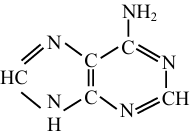
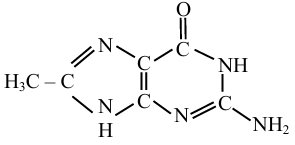
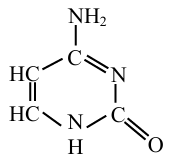
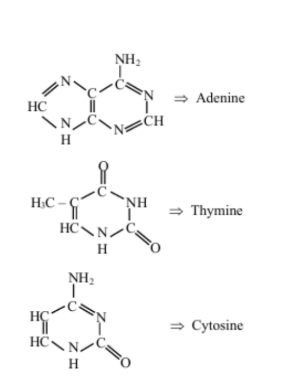
The compound 'A' is a complementary base of _________ in DNA strands. 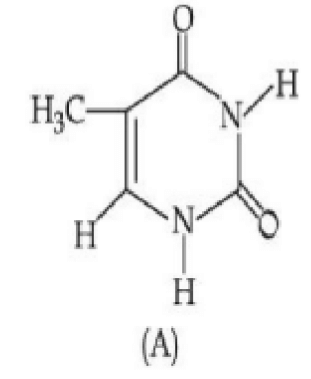
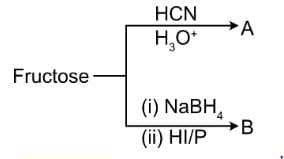
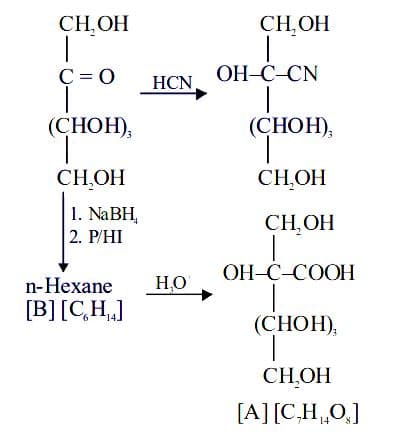
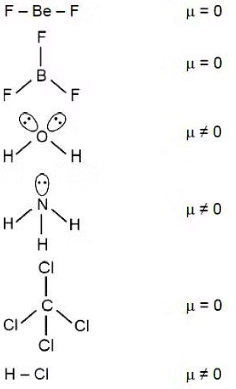
The number of molecules(s) or ions(s) from the following having non-planar structure is ____.
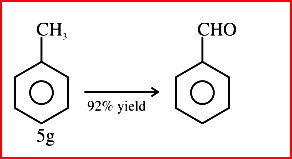
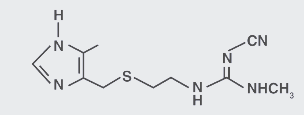
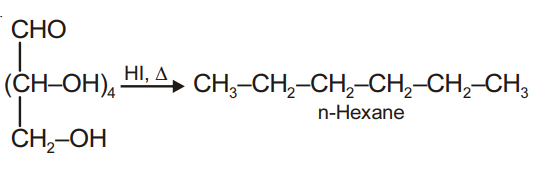
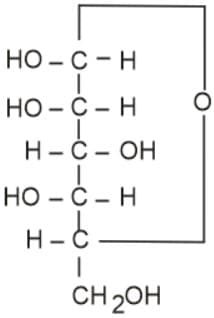
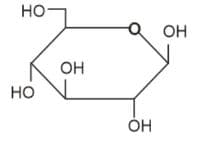
Match List-I with List-II
| List-I | List-II |
| (A) Glucose + HI | (I) Gluconic acid |
| (B) Glucose + Br2 water | (II) Glucose pentacetate |
| (C) Glucose + acetic anhydride | (III) Saccharic acid |
| (D) Glucose + HNO3 | (IV) Hexane |
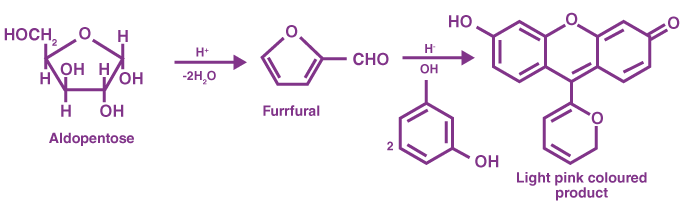
Methyl orange and
Starch and
| Column I | Column II | ||
| (i) | Vitamin A | a | Beri-beri |
| (ii) | Vitamin C (Ascorbic acid) | b | Cheilosis |
| (iii) | Riboflavin | c | Xerophthalmia |
| (iv) | Thiamine | d | Scurvy |
i c, ii d, iii a, iv b
i c, ii d, iii b, iv a
i d, ii c, iii b, iv a
i c, ii b, iii d, iv a
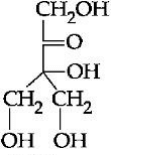
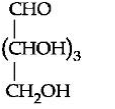
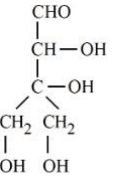
Compound , given a tetraacetate with and oxidation of with gives an acid, Reduction of with gives isopentane The possible structure of is:
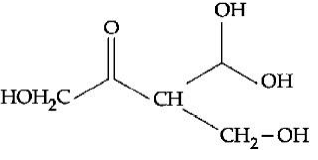
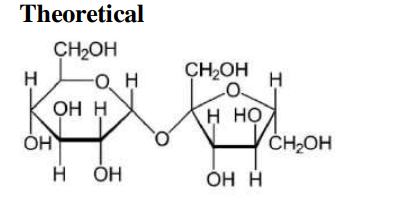
Sulphur (S)-containing amino acids from the following are:
(a) Isoleucine
(b) Cysteine
(c) Lysine
(d) Methionine
(e) Glutamic acid
H-H linkage
S-S linkage
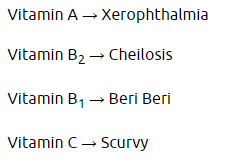
We are given some diseases in Column II. Column-I contains name of some vitamins and their deficiencies will cause:
Column-I | Column-II | ||
| (A) | Vitamin A | (p) | Scurvy |
| (B) | Vitamin B2 | (q) | Xerophthalmia |
| (C) | Vitamin B1 (Thiamine) | (r) | Cheilosis |
| (D) | Vitamin C | (s) | Beri Beri |
A(q); B(r); C(s); D(p)
A(r); B(q); C(p); D(s)
A(q); B(r); C(p); D(s)
A(p); B(r); C(s); D(q)
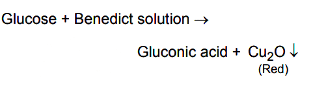
Red ppt. by Benedict solution is?
Glucose
RNA
DNA
Sucrose

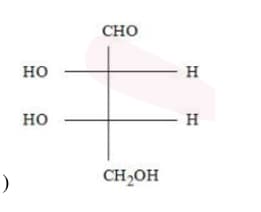
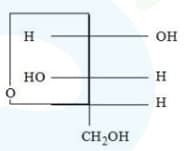
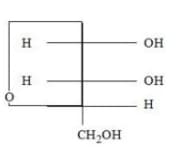
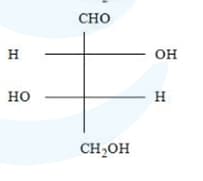
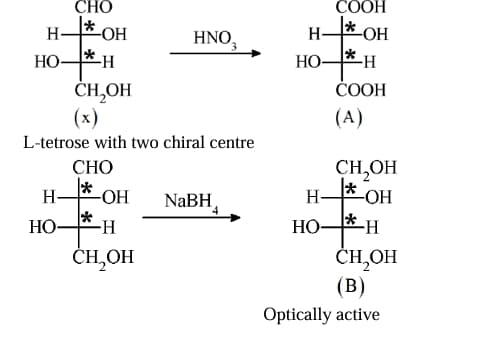
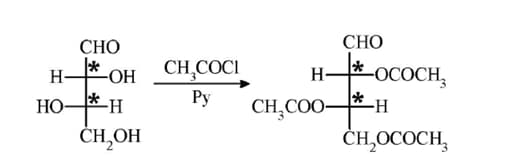
Glucose, maltose, sucrose, ribose, 2-deoxyribose, amylose, lactose
A. RNA is regarded as the reserve of genetic information.
B. DNA molecule self-duplicates during cell division.
C. DNA synthesizes proteins in the cell.
D. The message for the synthesis of particular proteins is present in DNA.
E. Identical DNA strands are transferred to daughter cells.
Choose the correct answer from the options given below:
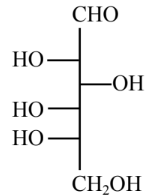
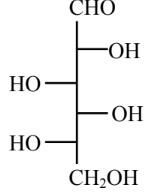
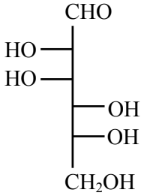
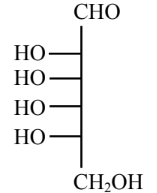
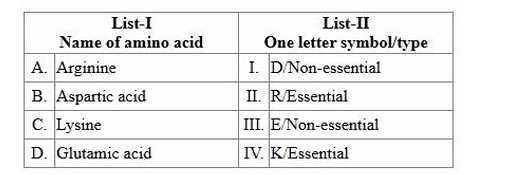
Arginine, Phenylalanine, Aspartic acid, Cysteine, Histidine, Valine, Proline
Number of compounds among the following which contain sulfur as a heteroatom is ___.
Compounds: Furan, Thiophene, Pyridine, Pyrrole, Cysteine, Tyrosine
Fat soluble vitamins are :
A. Vitamin B
B. Vitamin C
C. Vitamin E
D. Vitamin B
E. Vitamin K
Choose the correct answer from the options given below :
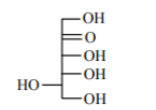
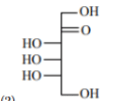
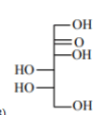
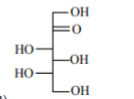
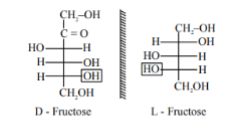
(B) Cane sugar gives equal amount of glucose and fructose.
(C) Milk sugar gives glucose and galactose.
(D) Amylopectin gives glucose and fructose.
(E) Amylose gives only glucose.
Choose the correct answer from the options given below:
Find out the sequence of amino acids from N-terminal to C-terminal in given polypeptide chain. 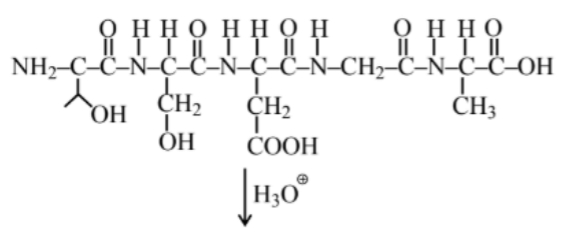
Match List-I with List-II. 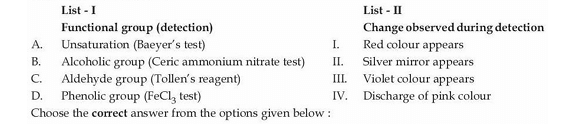
Statement I : Maltose is a non-reducing sugar
Statement II : Lactose is a reducing sugar
| List-I | List-II |
|---|---|
| (I) Vitamin C | (A) Thiamine |
| (II) Vitamin B1 | (B) Riboflavin |
| (III) Vitamin B6 | (C) Ascorbic Acid |
| (IV) Vitamin B2 | (D) Pyridoxine |
Given below are two statements for the following reaction sequence: 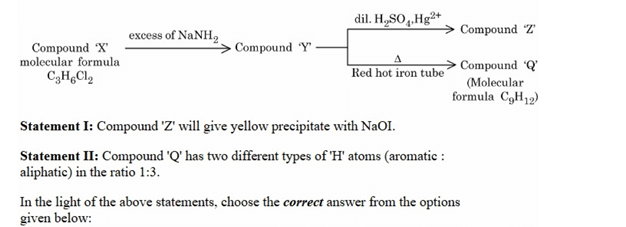
In the given pentapeptide, find out an essential amino acid ( ) and the sequence present in the pentapeptide. 
Choose the correct answer from the options given below:
Threonine; Sequence: Thr–Ser–Asp–Gly–Ala
Serine; Sequence: Ser–Asp–Thr–Ala–Gly
Serine; Sequence: Thr–Ser–Asp–Ala–Gly
Threonine; Sequence: Ser–Thr–Asp–Gly–Ala
Statement I: Arginine and Tryptophan are essential amino acids.
Statement II: Glycine does not have any chiral carbon.
In the light of the above statements, which is the correct option?
A. Activation energy for enzyme catalysed hydrolysis of sucrose is lower than that of acid catalysed hydrolysis.
B. During denaturation, secondary and tertiary structures of a protein are destroyed but primary structure remains intact.
C. Nucleotides are joined together by glycosidic linkage between and carbons of the pentose sugar.
D. Quaternary structure of proteins represents overall folding of the polypeptide chain.
Choose the correct answer from the options given below :
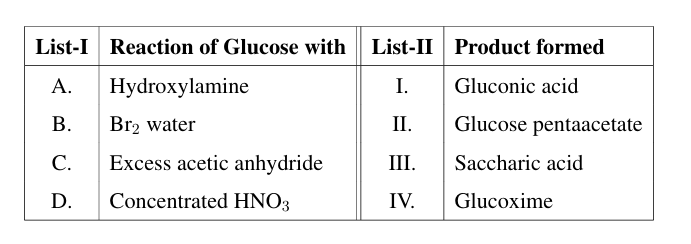
Given below are two statements:
Statement I: Arginine and Tryptophan are essential amino acids.
Statement II: Glycine does not have any chiral carbon.
In the light of the above statements, which is the correct option?
Statement I: All the pairs of molecules (PbO, PbO₂); (SnO, SnO₂) and (GeO, GeO₂) contain amphoteric oxides.
Statement II: Glycine does not have any chiral carbon.
In the light of the above statements, choose the correct option.
How many tripeptides are possible when following three amino acids make tripeptide? (No amino acid should repeat twice)
(A) Glycine
(B) Alanine
(C) Valine
About Biomolecules - JEE-MAIN
Biomolecules is a vital chapter for JEE-MAIN aspirants. Mastering the concepts covered in this chapter is essential for securing a top rank.
By rigorously practicing the previous year questions associated with this chapter, you can identify high-yield topics, understand the examiner's perspective, and boost your confidence during the actual exam.
Frequently Asked Questions
Why focus on Biomolecules PYQs?
Analyzing PYQs for this specific chapter reveals the most frequently tested concepts and the typical complexity of questions, allowing you to tailor your study plan efficiently.
How to best use this analysis?
Review the topic breakdown to see which sub-topics within Biomolecules carry the most weight. Then, tackle the questions iteratively to solidify your understanding.