Haloalkanes And Haloarenes
43 previous year questions.
High-Yield Trend
Chapter Questions 43 MCQs
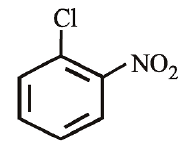
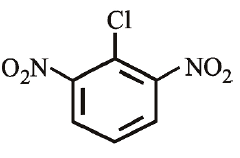
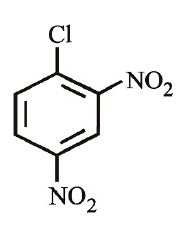
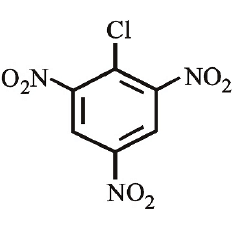
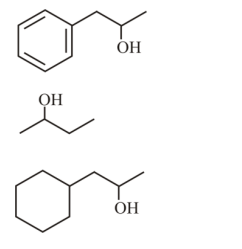
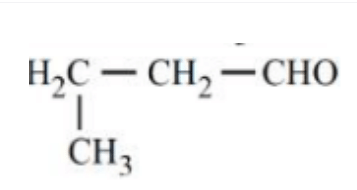
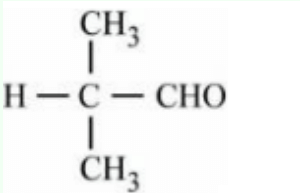
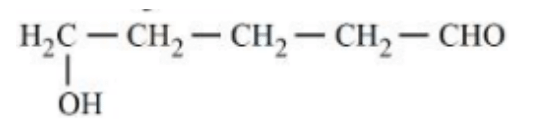
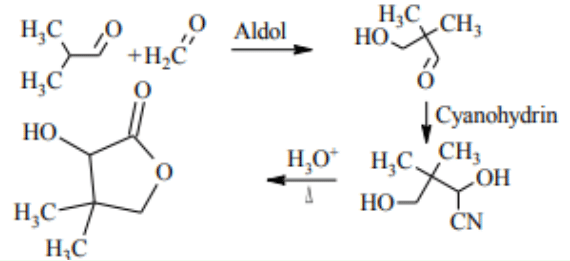
Among the following compounds I-IV, which one forms a yellow precipitate on reacting sequentially with (i) NaOH (ii) dil. (iii) ? 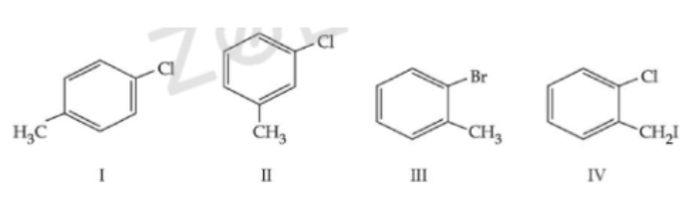
The major product of the following reaction is :
A
B
C
D
In the following sequence of reactions the P is: 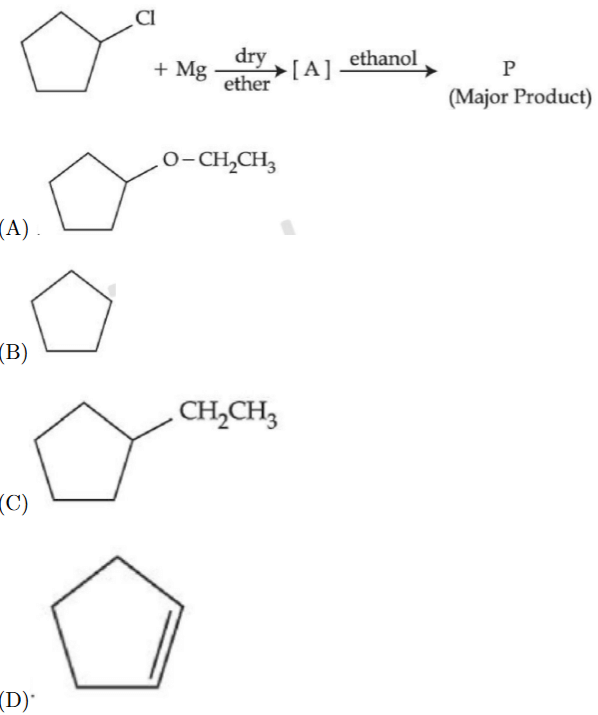
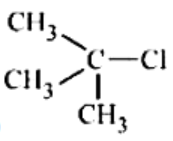
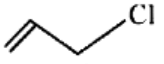
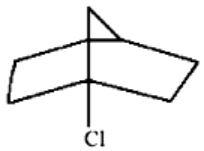
The correct order of reactivity of the given chlorides with acetate in acetic acid is : 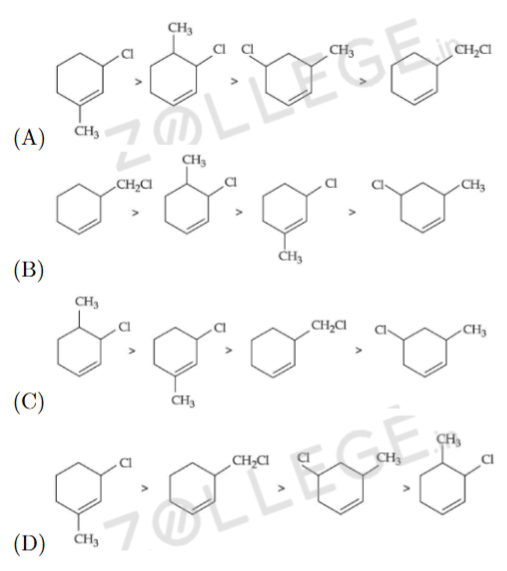
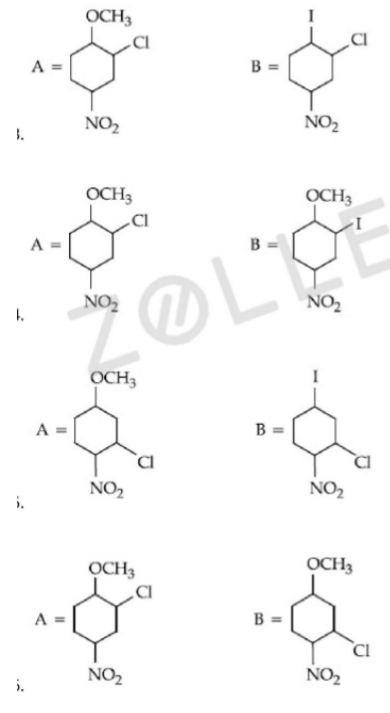
Identify A and B in the chemical reaction. p-Nitrotoluene A B 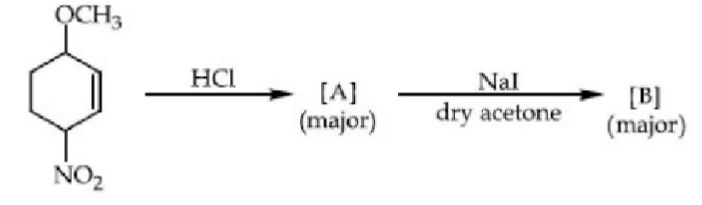
The product formed in the first step of the reaction of with excess is : 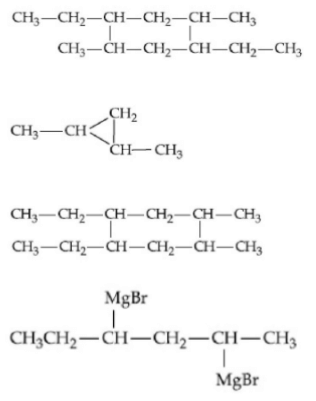
The correct order of the following compounds showing increasing tendency towards nucleophilic substitution reaction is : (Note: The compounds are chloro benzene with different nitro positions: (i) Chlorobenzene, (ii) 4-nitrochlorobenzene, (iii) 2,4-dinitrochlorobenzene, (iv) 2,4,6-trinitrochlorobenzene)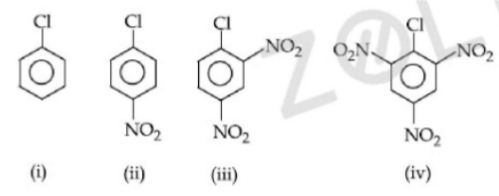
\includegraphics[width=0.6\linewidth]{image43.png}
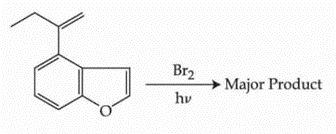
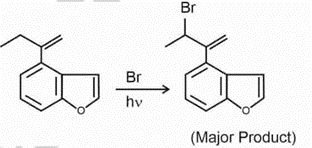
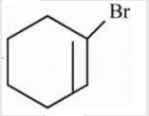
The major product of the following reaction contains ______ bromine atom(s).
Assertion A: Fluorine forms one oxoacid.
Reason R: Fluorine has smallest size amongst all halogens and is highly electronegative.
In the light of the above statements, choose the most appropriate answer from the option given below.
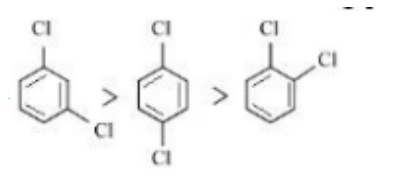
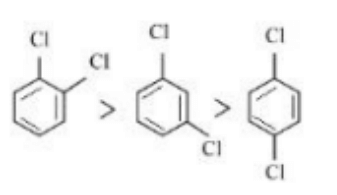
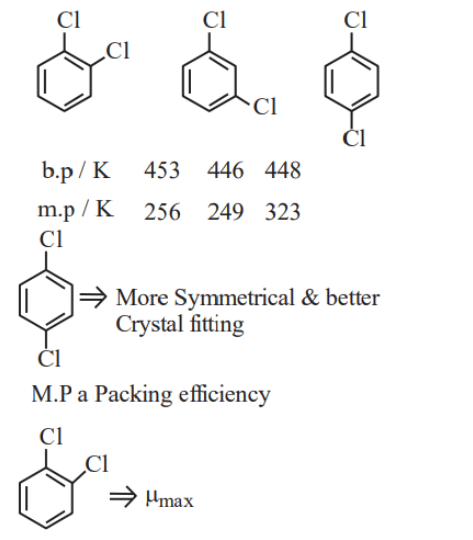
The correct order of melting points of dichlorobenzenes is
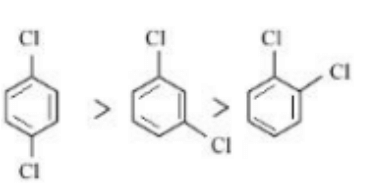
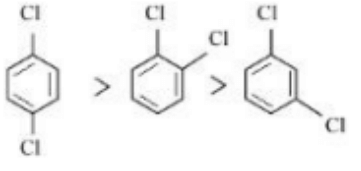
All radicals are known as freons.
Freons cause skin cancer.
Freons are chlorofluoro carbon.
Freons are used in sunscreen lotion.
Which of the following statement is correct ?
NaI is soluble in acetone but NaBr is precipitate in acetone
NaI is precipitated in acetone but NaBr is soluble in acetone
When acetone is taken in solvent transition state is highly polar
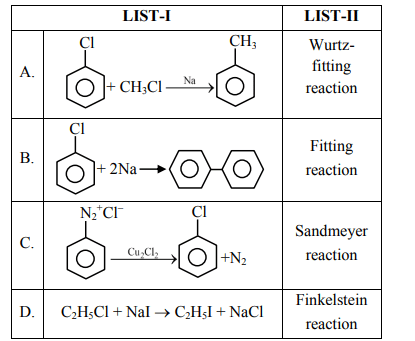
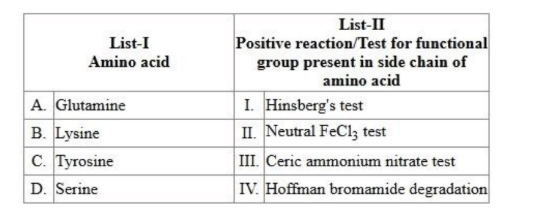
Match List I with List II
| List I | List II | ||
| A | 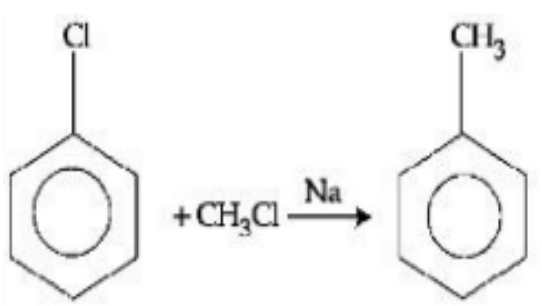 | I | Fittig reaction |
| B | 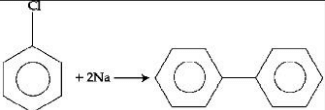 | II | Wurtz Fittig reaction |
| C | 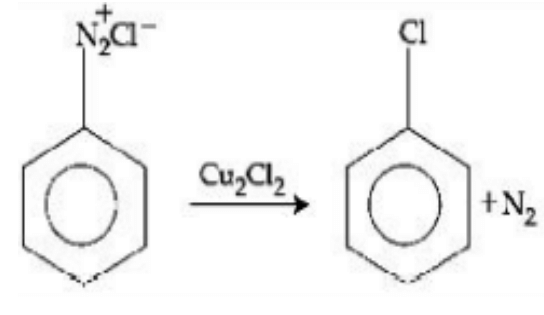 | III | Finkelstein reaction |
| D | IV | Sandmeyer reaction | |
Choose the correct answer from the options given below:
 kk
kk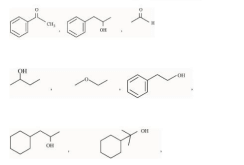
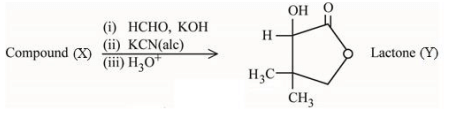
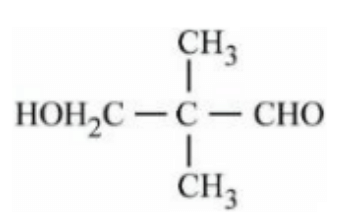
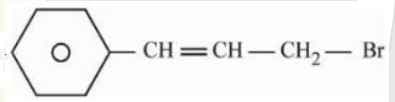
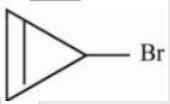
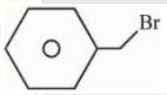
![Product [X] formed in the above reaction is:](/jee-main/2023/1_64a0a4c01709624640261.jpg)
Product [X] formed in the above reaction is:
![Product [X] formed in the above reaction is:](/jee-main/2023/2_17e3c26d1709624662980.jpg)
![Product [X] formed in the above reaction is:](/jee-main/2023/3_cd890db61709624825638.jpg)
CH3NH2.HCl
NH2OH .HCl
NH4Cl
N2H4 . HCl

[Molar mass of ]
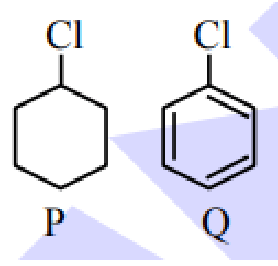
(B) Q has more dipole moment than P.
(C) In Q, C–Cl bond has double bond character.
(D) In Q, Cl is attached to sp hybridised carbon but in P, Cl is attached to sp .
(E) In Q, C–Cl bond length is more due to repulsion between lone pair on chlorine and electron in aromatic ring.
CH –Br _3 CH OH
Correct order of rate of this reaction for given nucleophile:
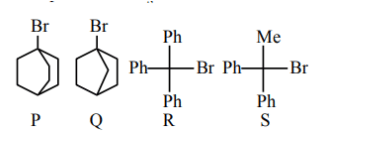
Match the LIST-I with LIST-II: 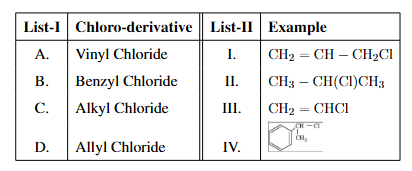
Choose the correct answer from the options given below:
A-IV, B-I, C-III, D-II
About Haloalkanes And Haloarenes - JEE-MAIN
Haloalkanes And Haloarenes is a vital chapter for JEE-MAIN aspirants. Mastering the concepts covered in this chapter is essential for securing a top rank.
By rigorously practicing the previous year questions associated with this chapter, you can identify high-yield topics, understand the examiner's perspective, and boost your confidence during the actual exam.
Frequently Asked Questions
Why focus on Haloalkanes And Haloarenes PYQs?
Analyzing PYQs for this specific chapter reveals the most frequently tested concepts and the typical complexity of questions, allowing you to tailor your study plan efficiently.
How to best use this analysis?
Review the topic breakdown to see which sub-topics within Haloalkanes And Haloarenes carry the most weight. Then, tackle the questions iteratively to solidify your understanding.