Rate Of A Chemical Reaction
6 previous year questions.
High-Yield Trend
Chapter Questions 6 MCQs
SO2CL2+2H2O H2SO4+2HCL
16 moles of NaOH is required for the complete neutralization of the resultant acidic mixture. The number of moles of SO2Cl2 used is
Concentration of C changes from 10 mmol dm–3 to 20 mmol dm–3 in 10 seconds. Rate of appearance of D is 1.5 times the rate of disappearance of B which is twice the rate of disappearance A. The rate of appearance of D has been experimentally determined to be 9 mmol dm–3 s–1. Therefore, the rate of reaction is _____ mmol dm–3 s–1. (Nearest Integer)
Match List I with List II.
| List-I | List-II |
| A. Benzene sulphonyl chloride | I. Test for primary amines |
| B. Hoffmann bromamide reaction | II. Anti Saytzeff |
| C. Carbylamine reaction | III. Hinsberg reagent |
| D. Hoffmann orientation | IV. Known reaction of Isocyamates |
Choose the correct answer from the options given below:
The graph which represents the following reaction is :

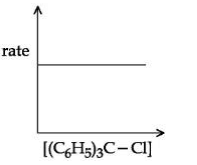
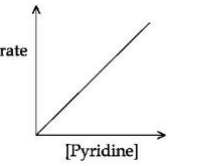
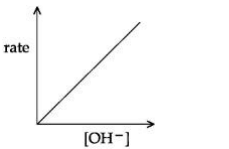
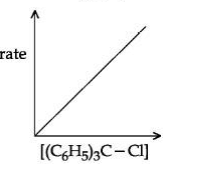
About Rate Of A Chemical Reaction - JEE-MAIN
Rate Of A Chemical Reaction is a vital chapter for JEE-MAIN aspirants. Mastering the concepts covered in this chapter is essential for securing a top rank.
By rigorously practicing the previous year questions associated with this chapter, you can identify high-yield topics, understand the examiner's perspective, and boost your confidence during the actual exam.
Frequently Asked Questions
Why focus on Rate Of A Chemical Reaction PYQs?
Analyzing PYQs for this specific chapter reveals the most frequently tested concepts and the typical complexity of questions, allowing you to tailor your study plan efficiently.
How to best use this analysis?
Review the topic breakdown to see which sub-topics within Rate Of A Chemical Reaction carry the most weight. Then, tackle the questions iteratively to solidify your understanding.